
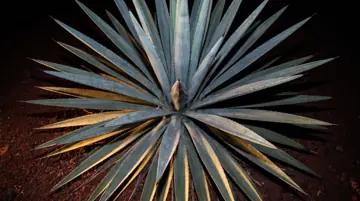
The maguey
The codices paint her seated on the plant, in the same blue as its leaves: goddess and maguey are one and the same.
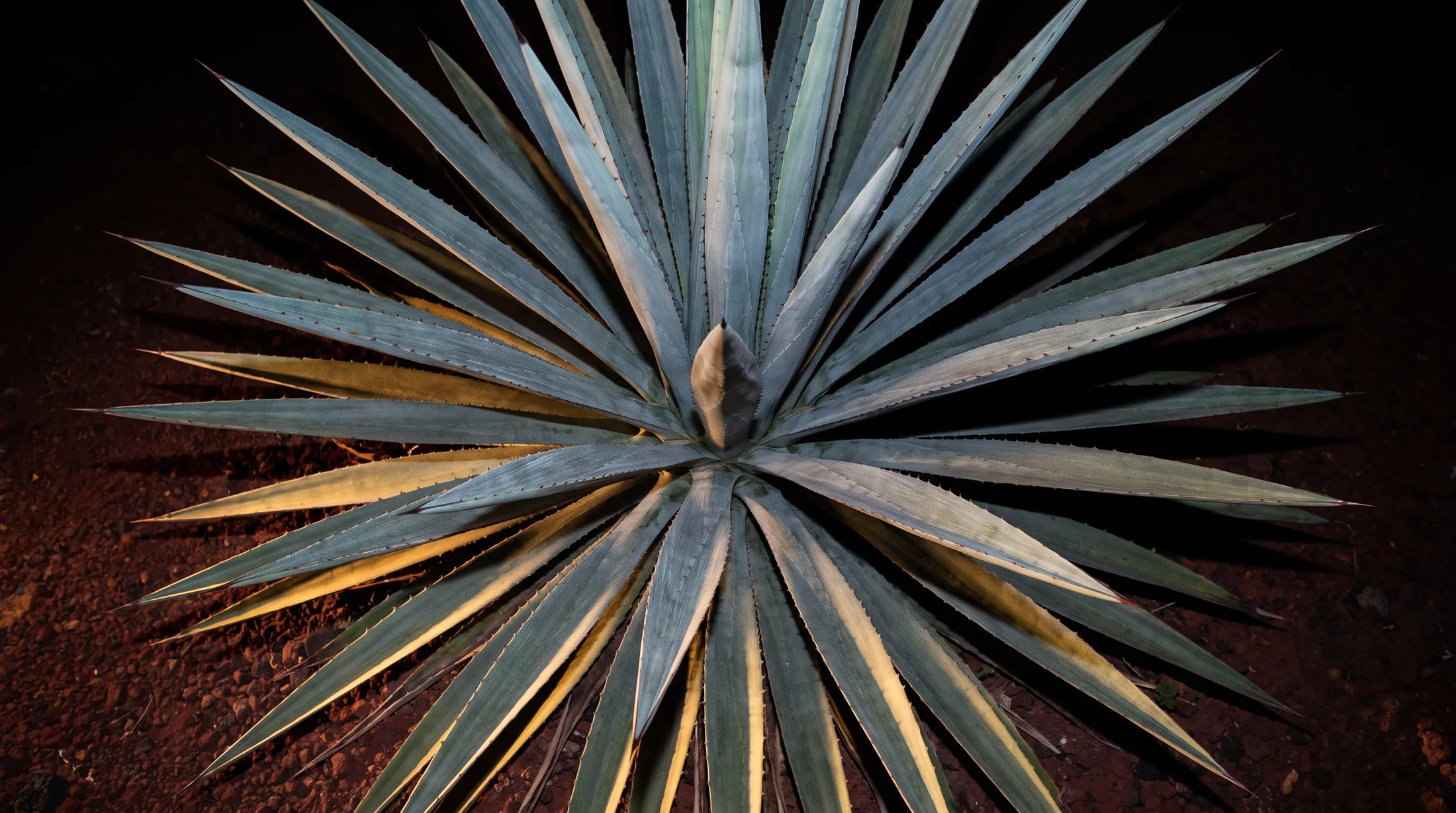
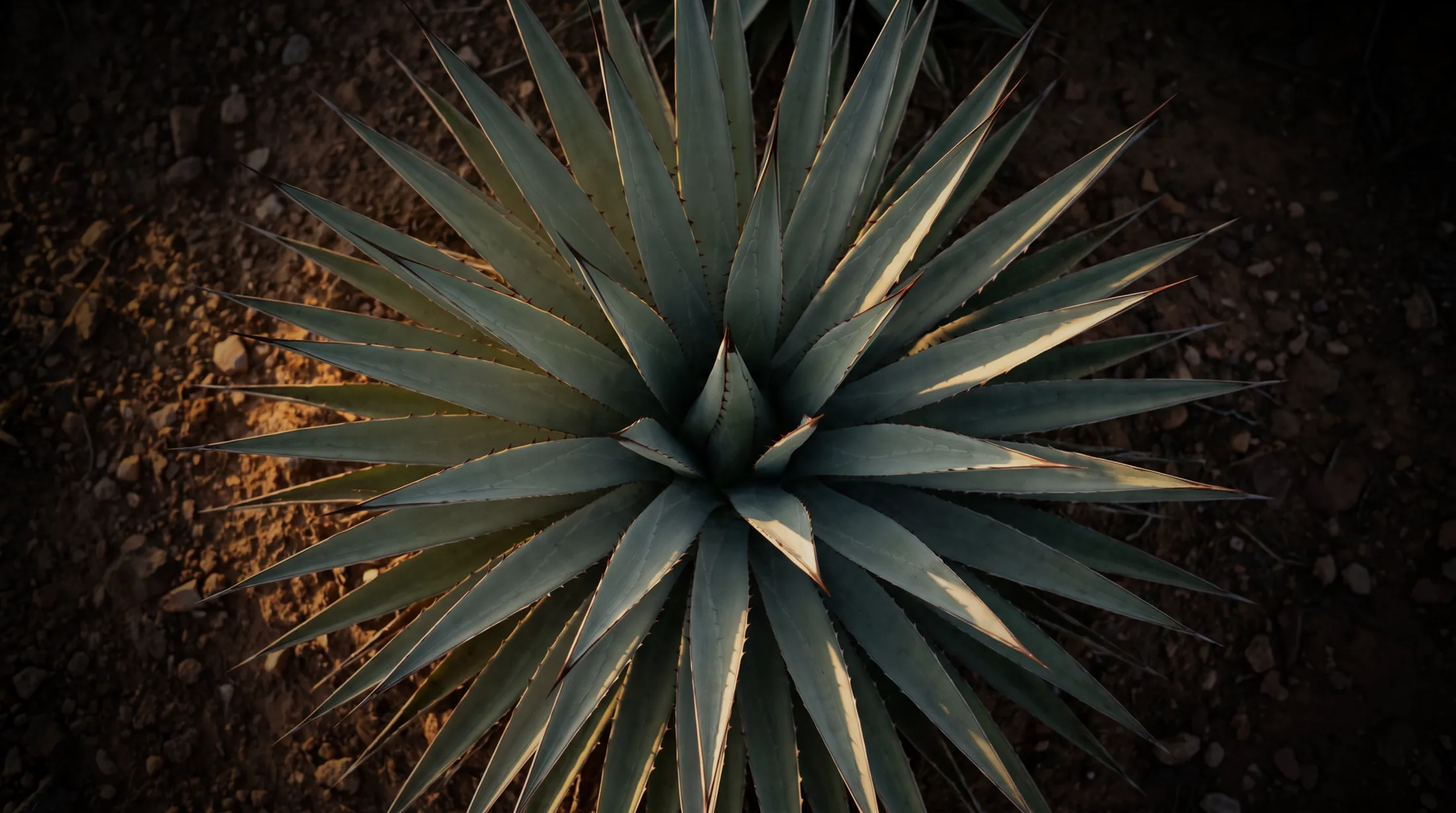
The sacred is never rushed.
Manifesto
Mayahuel is the name the Nahua peoples gave to the goddess of the maguey. Long before it was a brand, it was a way of explaining how a desert plant could hold water, shade and nourishment.
Putting it on a bottle demands that things be done the way they were when that name mattered: agave that waited seven to twelve years, hearts harvested flush, yeasts born in the barranca, slow fire and the silence of oak.
That is why the line is short and kept without shortcuts: a Blanco, a Reposado, a Mezcal Espadín and an Extra Añejo that has not yet left the barrel. That is why nothing is announced in haste.
M.The collection
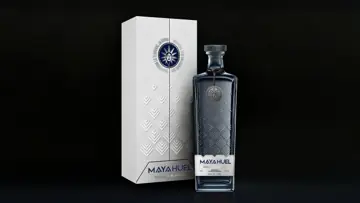
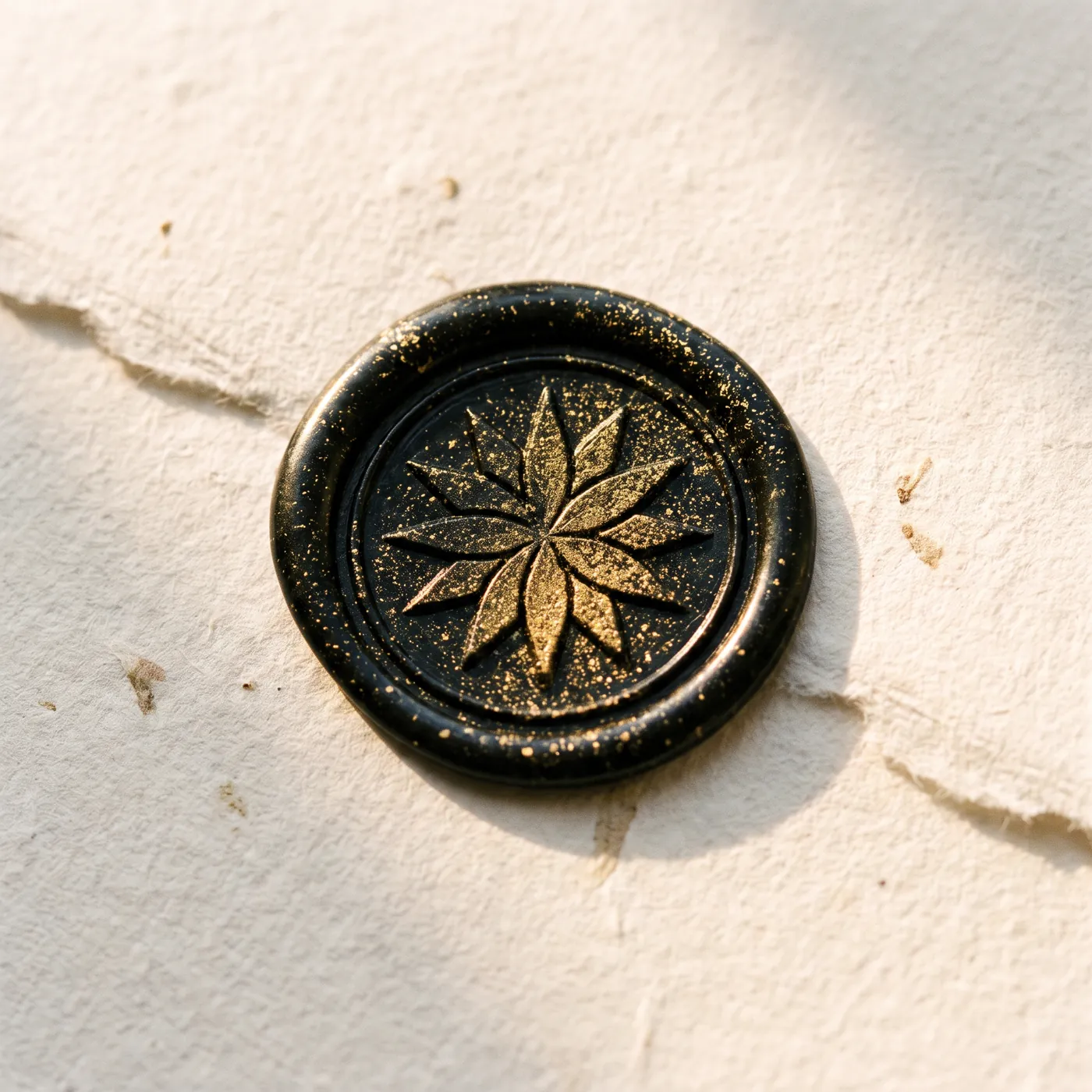
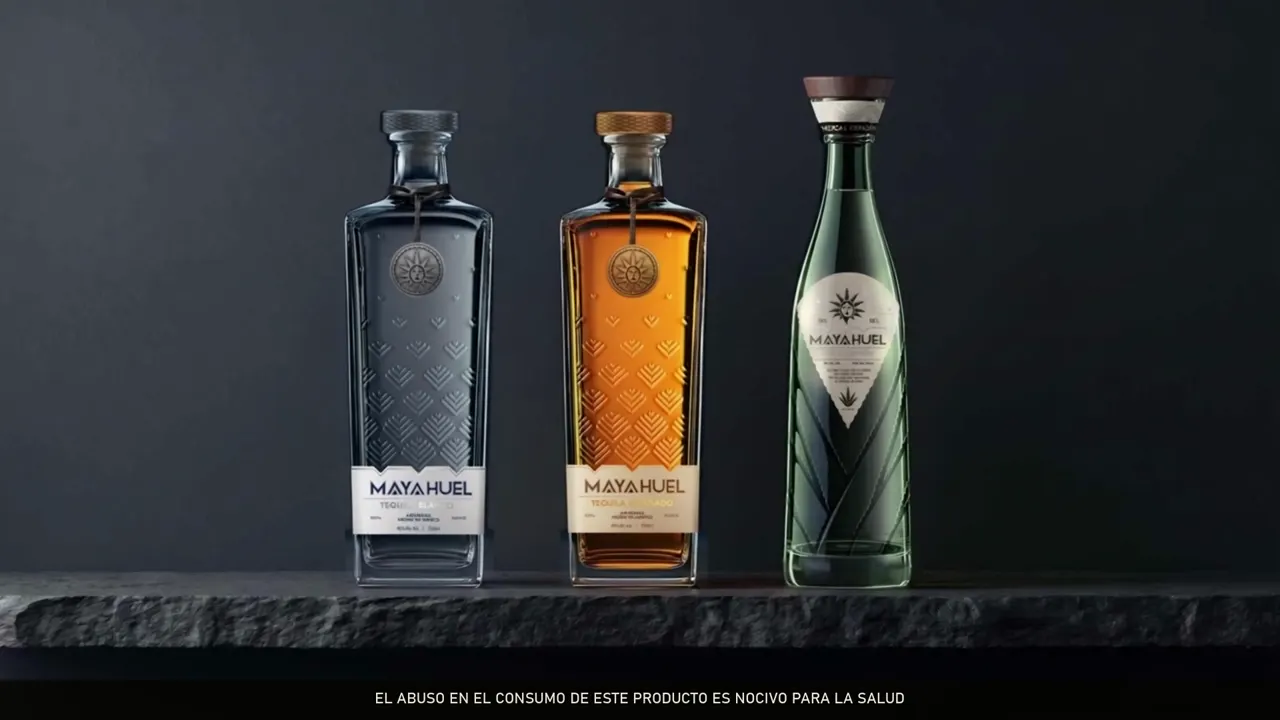
From the Barranca de Amatitán, a Blanco and a Reposado; in the barrel, an Extra Añejo not yet revealed. From Oaxaca, a Mezcal Espadín. Every bottle wears the goddess’s emblem at its neck: a serene face at the centre of a sun.
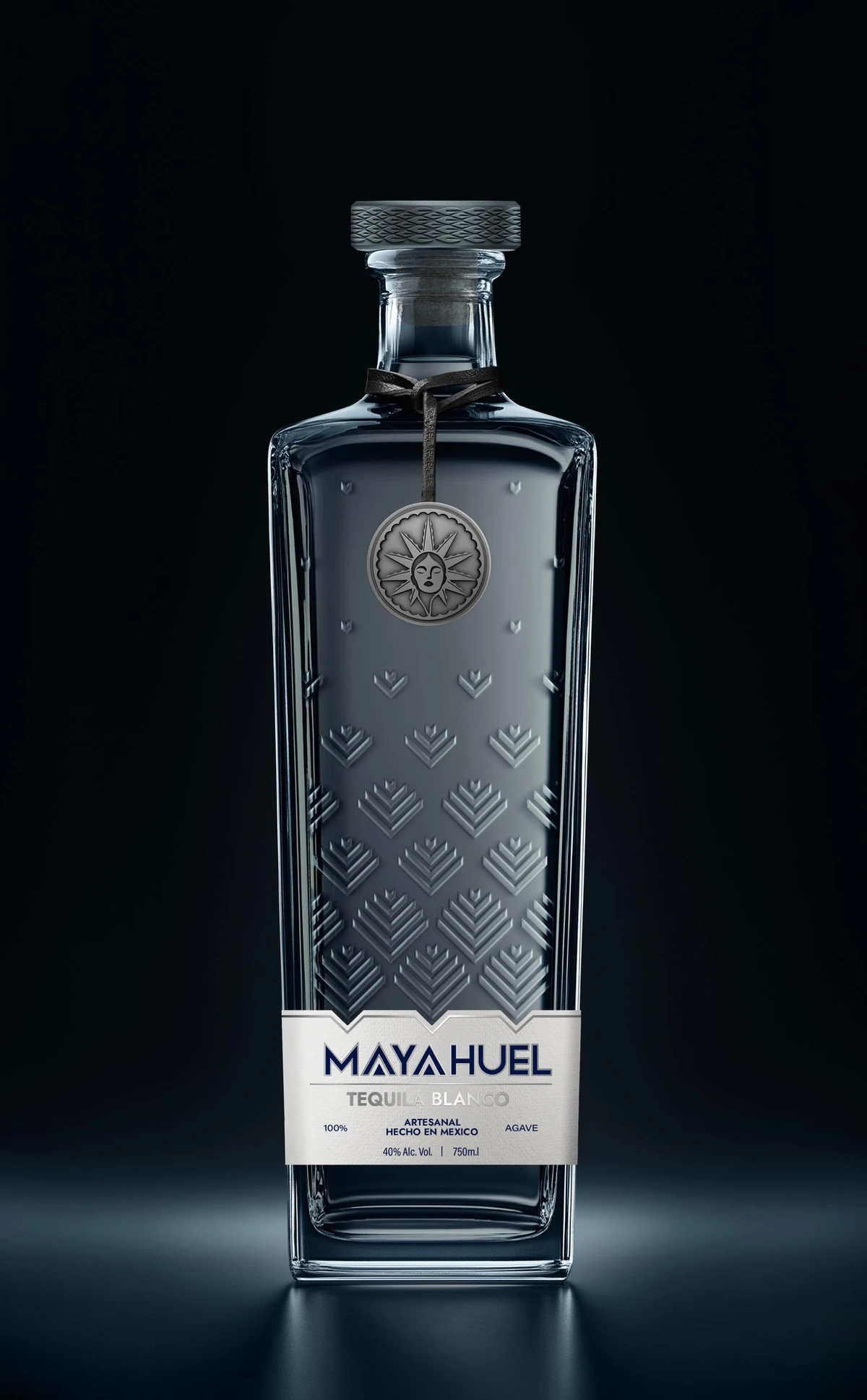
The voice of the agave: the barranca, just as fire, stone and open fermentation leave it.
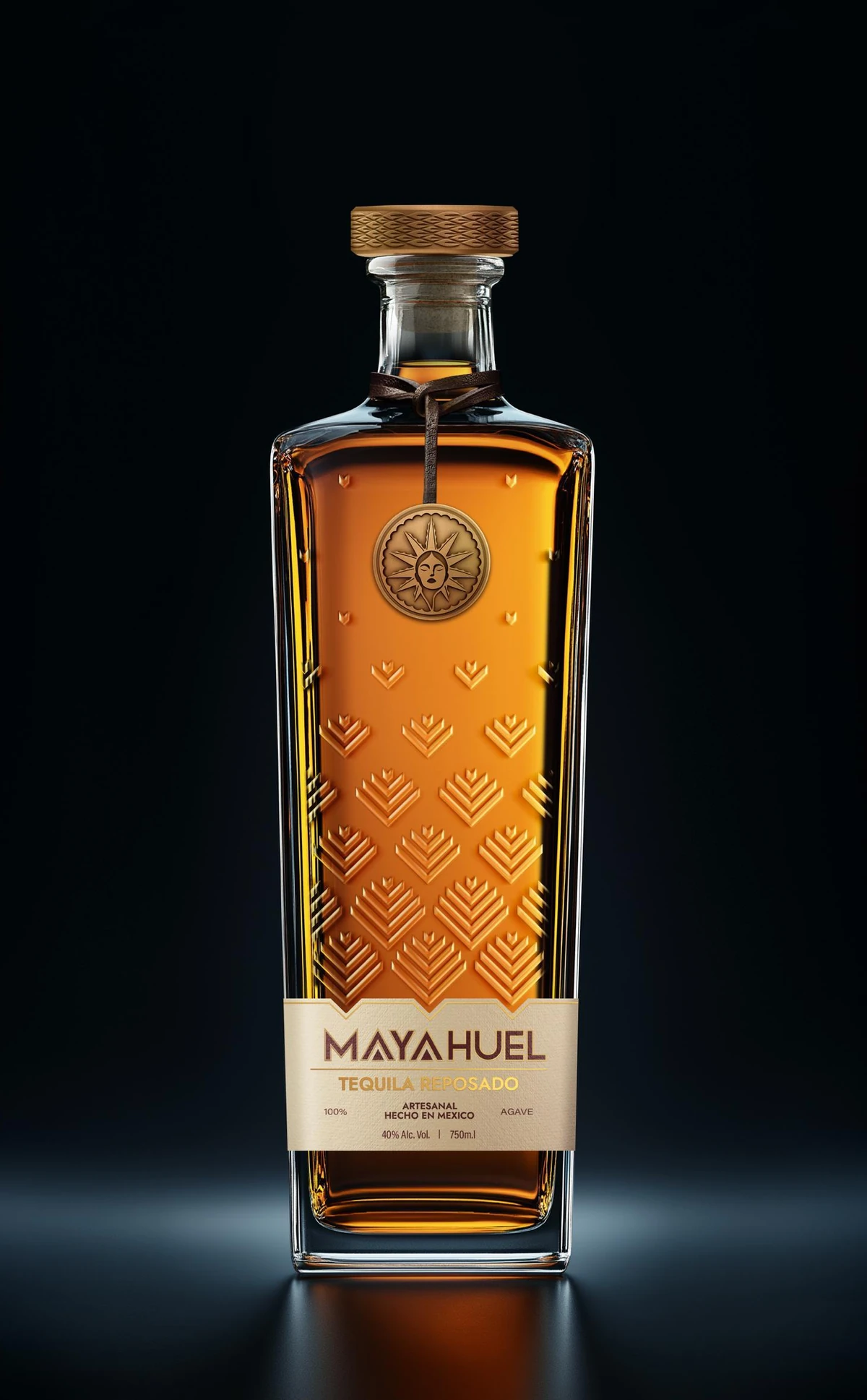
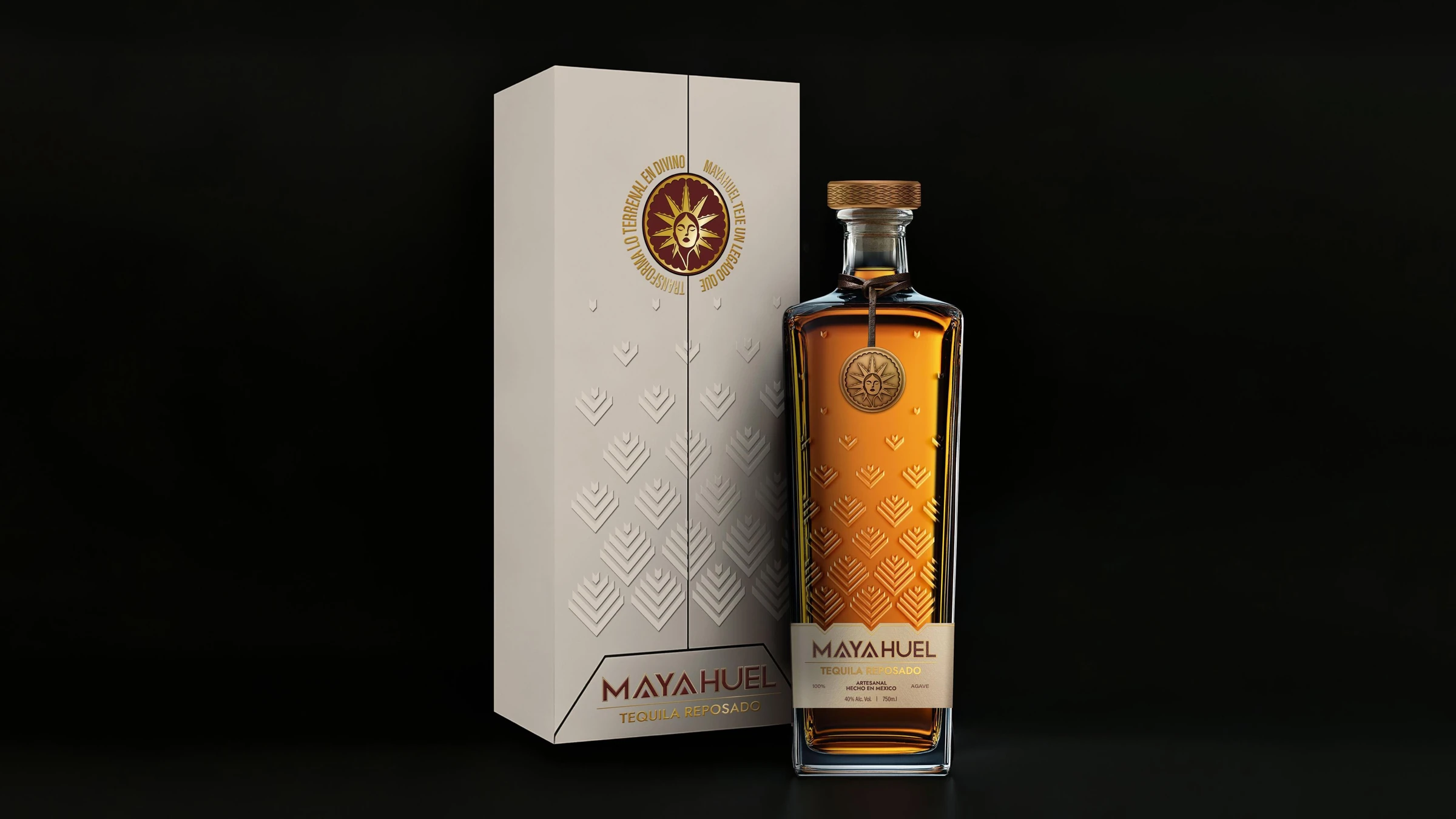
The agave that learned from oak, in 200-litre barrels.
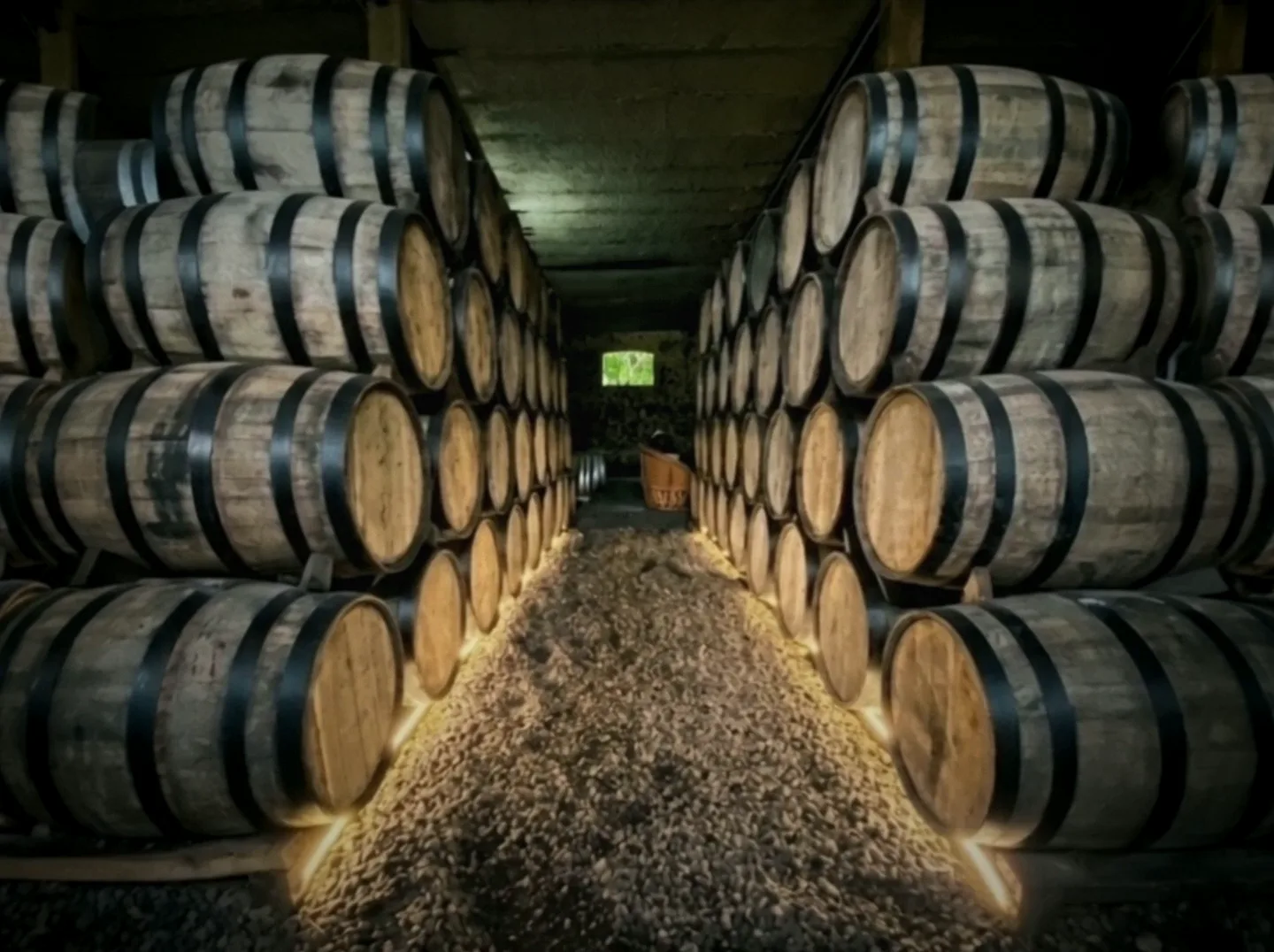
Time as an offering: more than three years in oak.
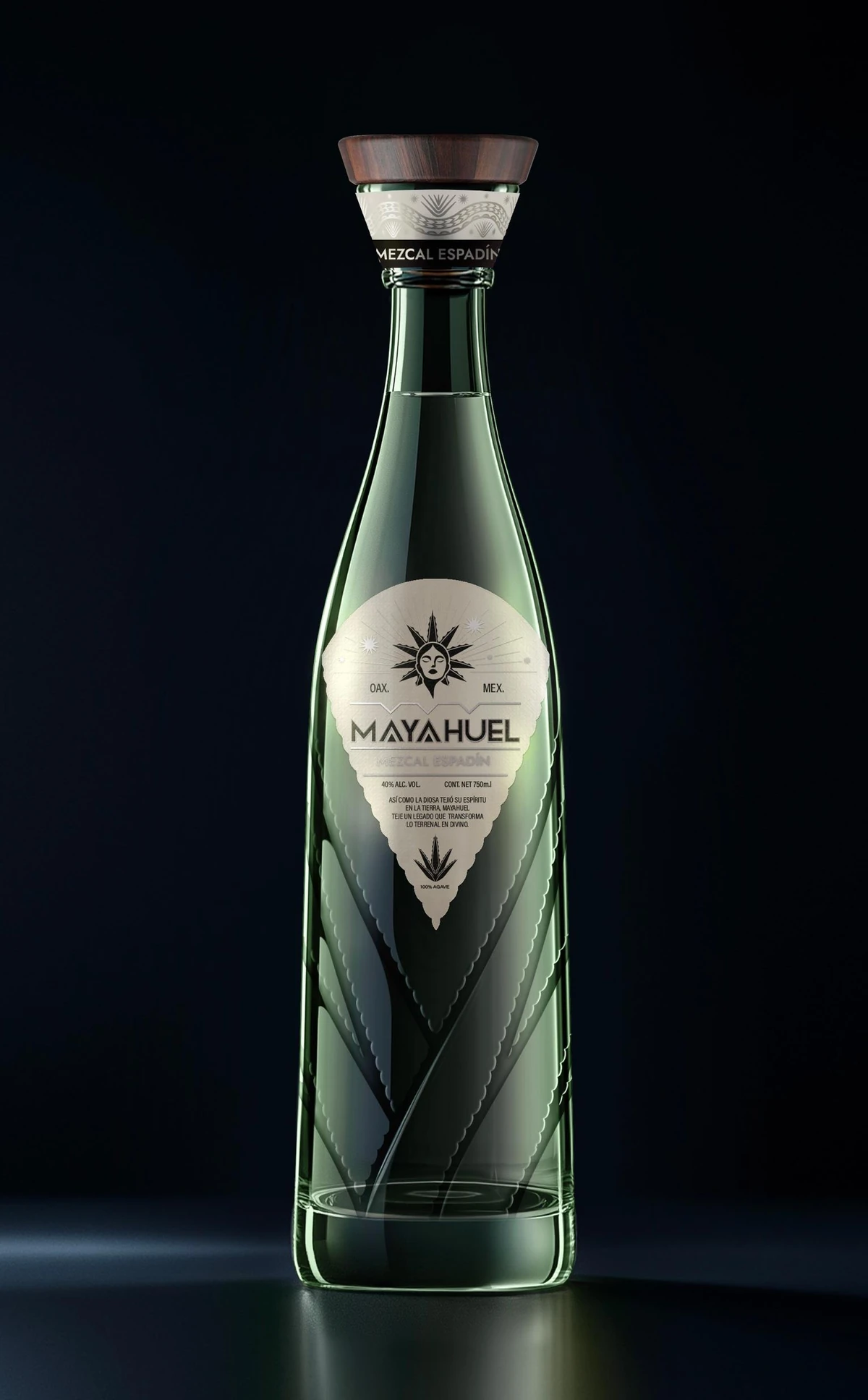
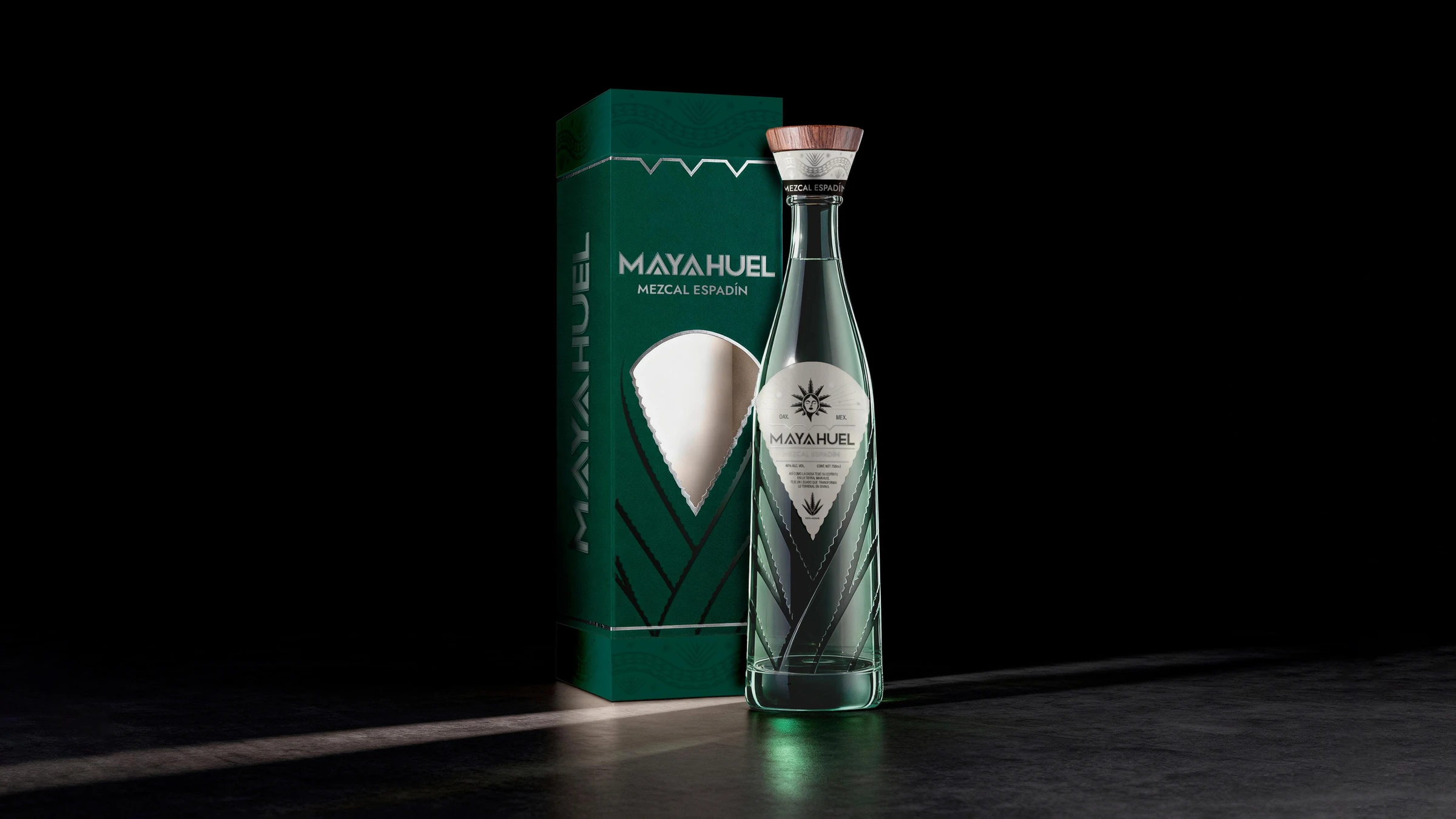
Espadín agave from Oaxaca, in glass as green as its leaves.
As the goddess wove her spirit into the earth, Mayahuel weaves a legacy that turns the earthly into the divine.
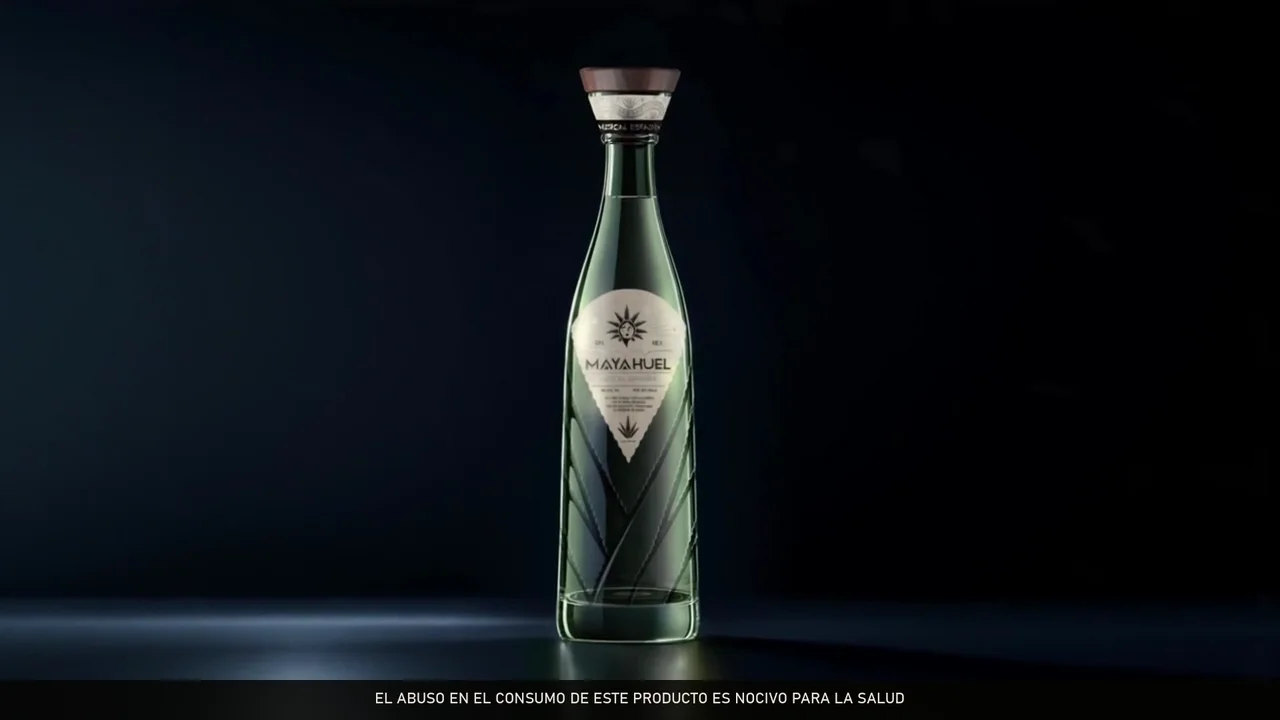
The film
Blanco, Reposado and Mezcal Espadín: the Mayahuel line in fifteen seconds.

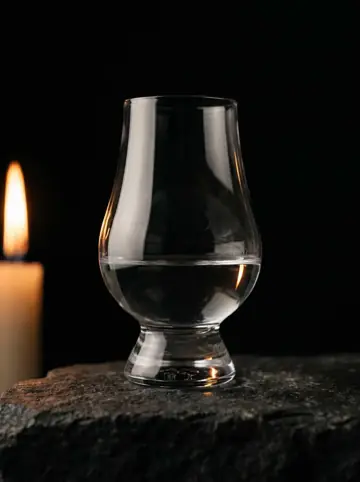
Tequila Reposado
What the barranca keeps by night, oak turns to gold.
The name
Pronounced ma-YA-wel. Nahuatl.
The codices paint her seated on the plant, in the same blue as its leaves: goddess and maguey are one and the same.
She nursed the Centzon Totochtin, the four hundred rabbits. To the Nahua, four hundred meant "beyond counting".
She fled the sky by night and by night she was overtaken. From what was buried, the first maguey grew.
Its etymology is debated; some read it as "she who surrounds the maguey". We tell it with respect, as a story that is not ours. On the emblem of every bottle she appears as a serene face at the centre of a sun: a tribute, not a costume.
The signs
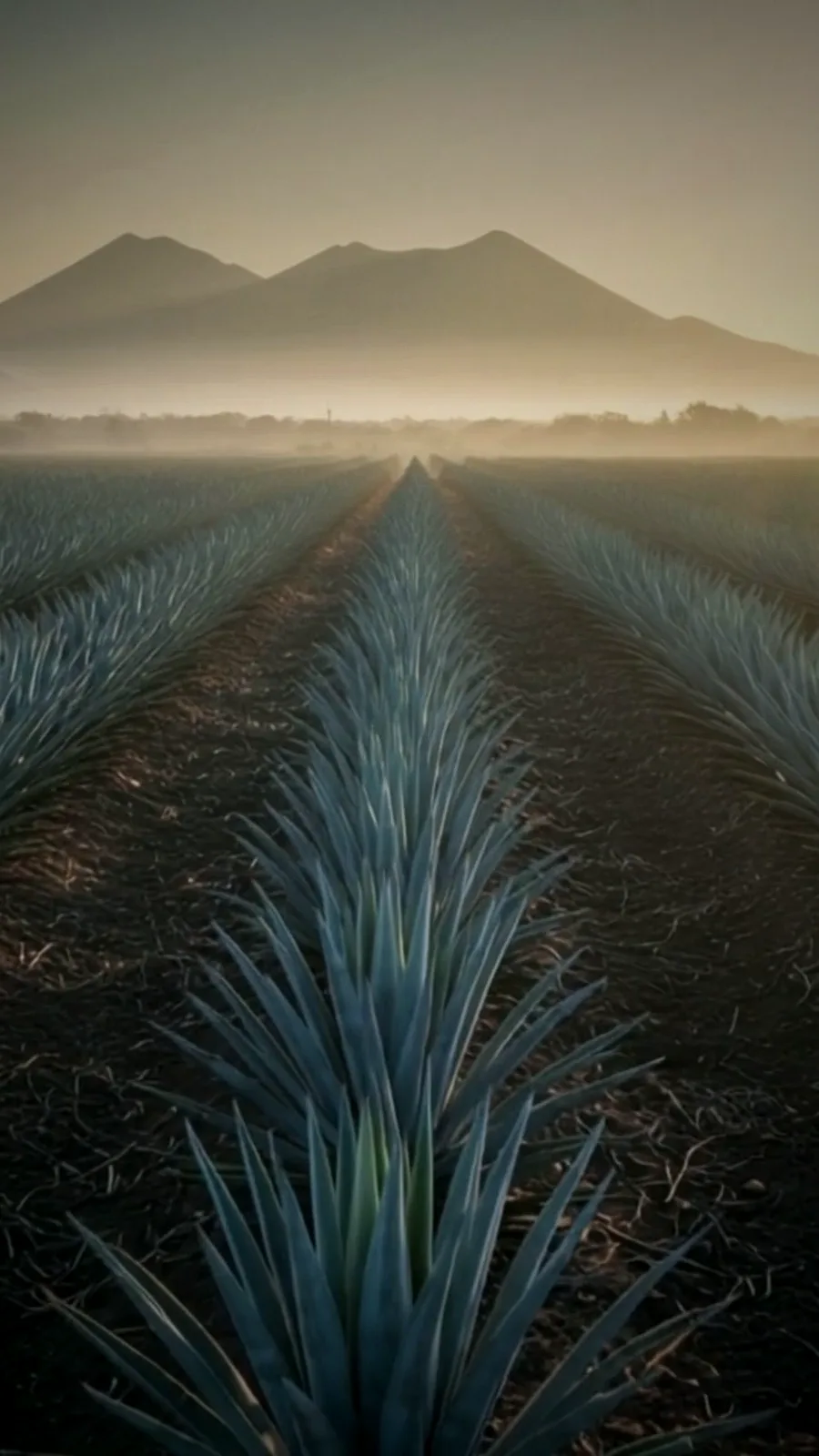
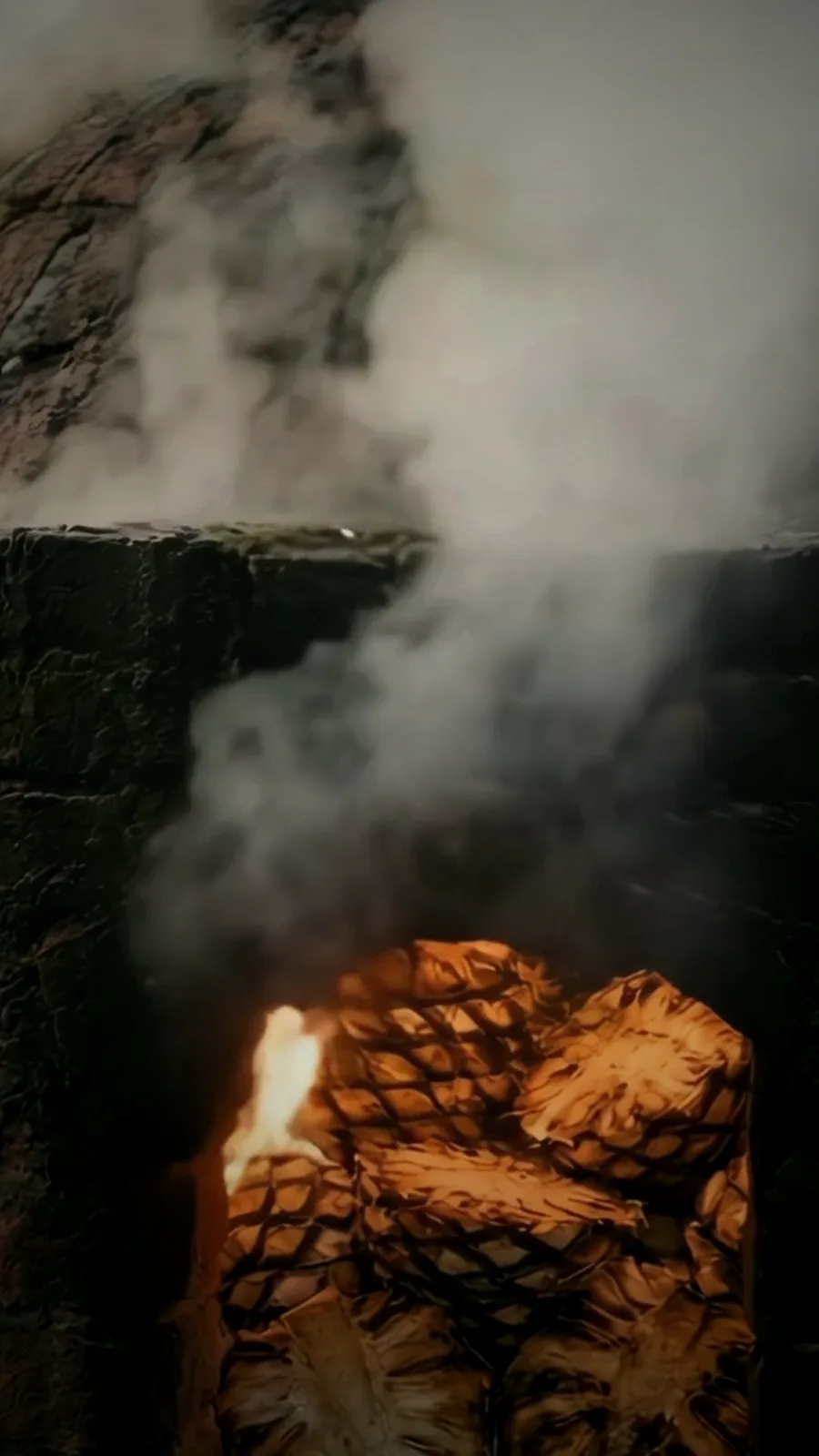
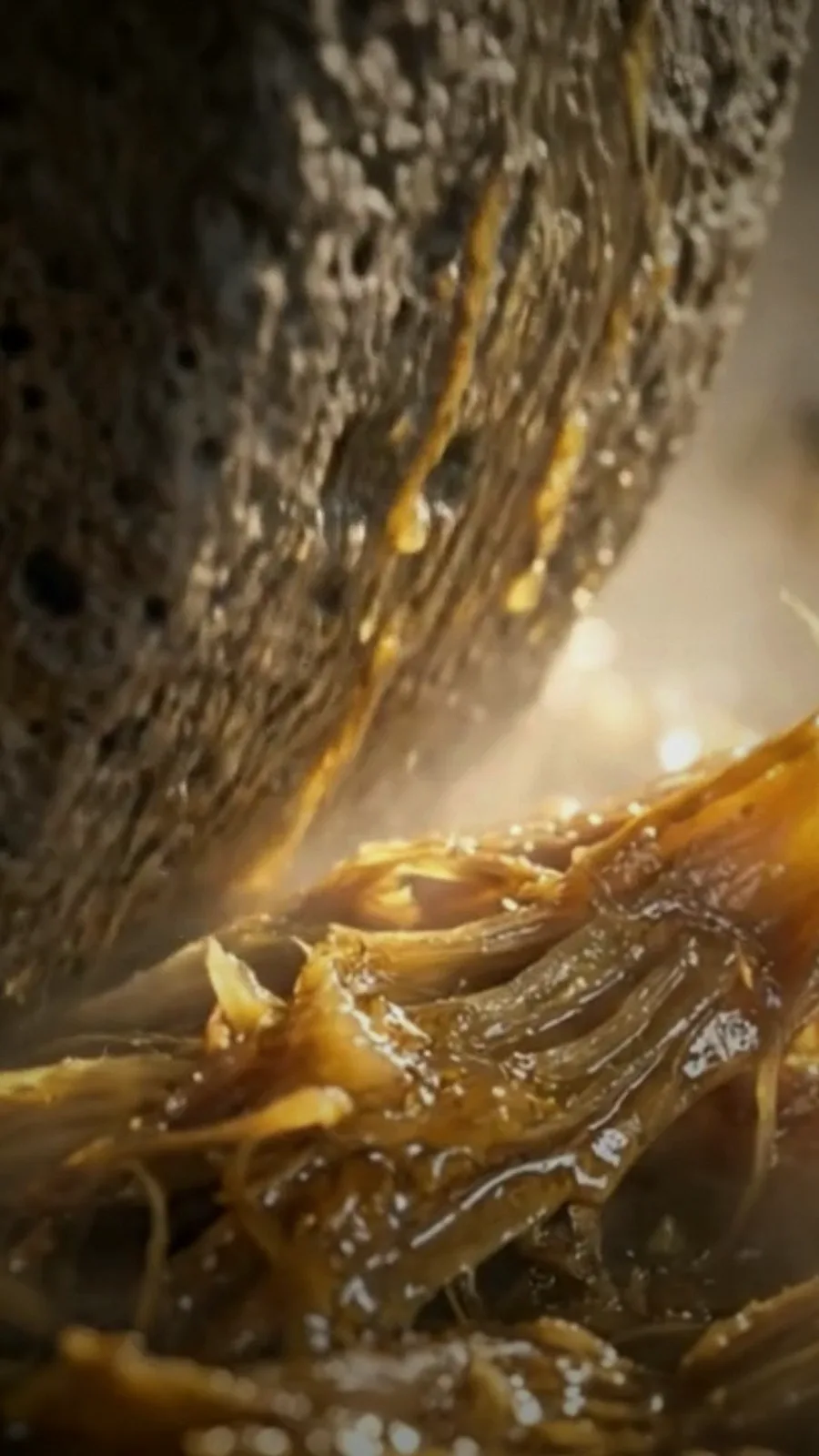
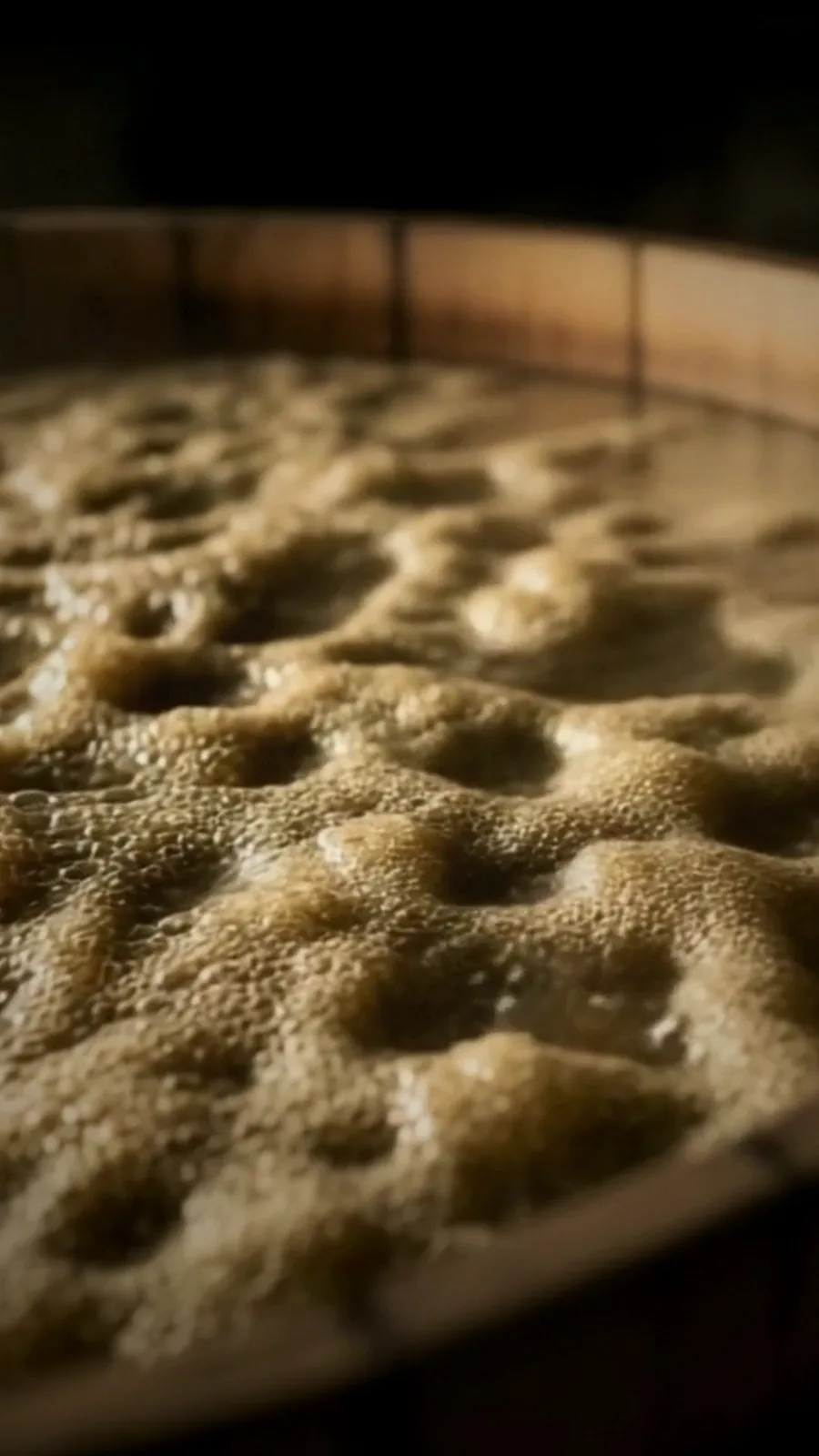
Six images announced the arrival of Mayahuel before its bottles were shown.
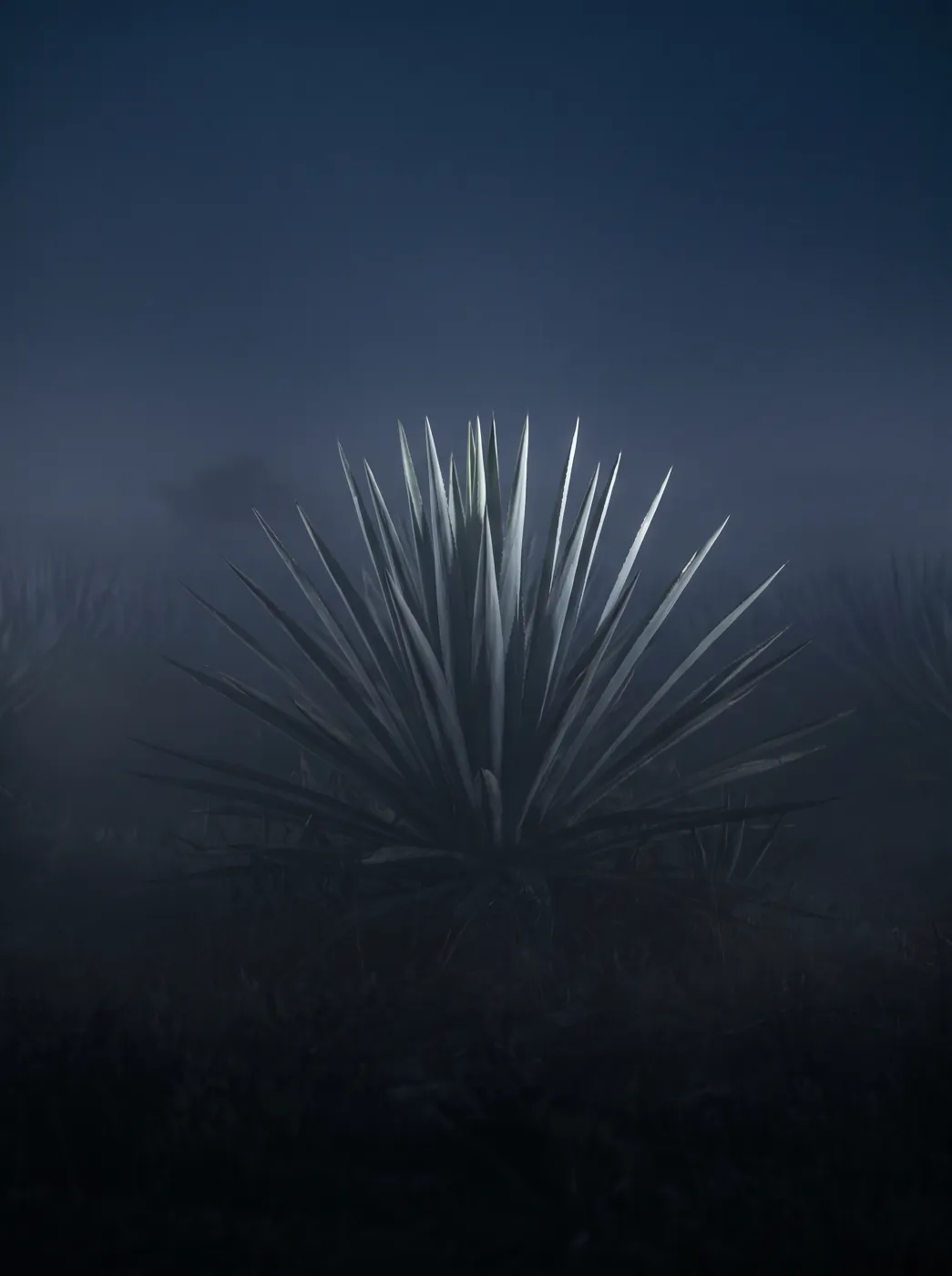
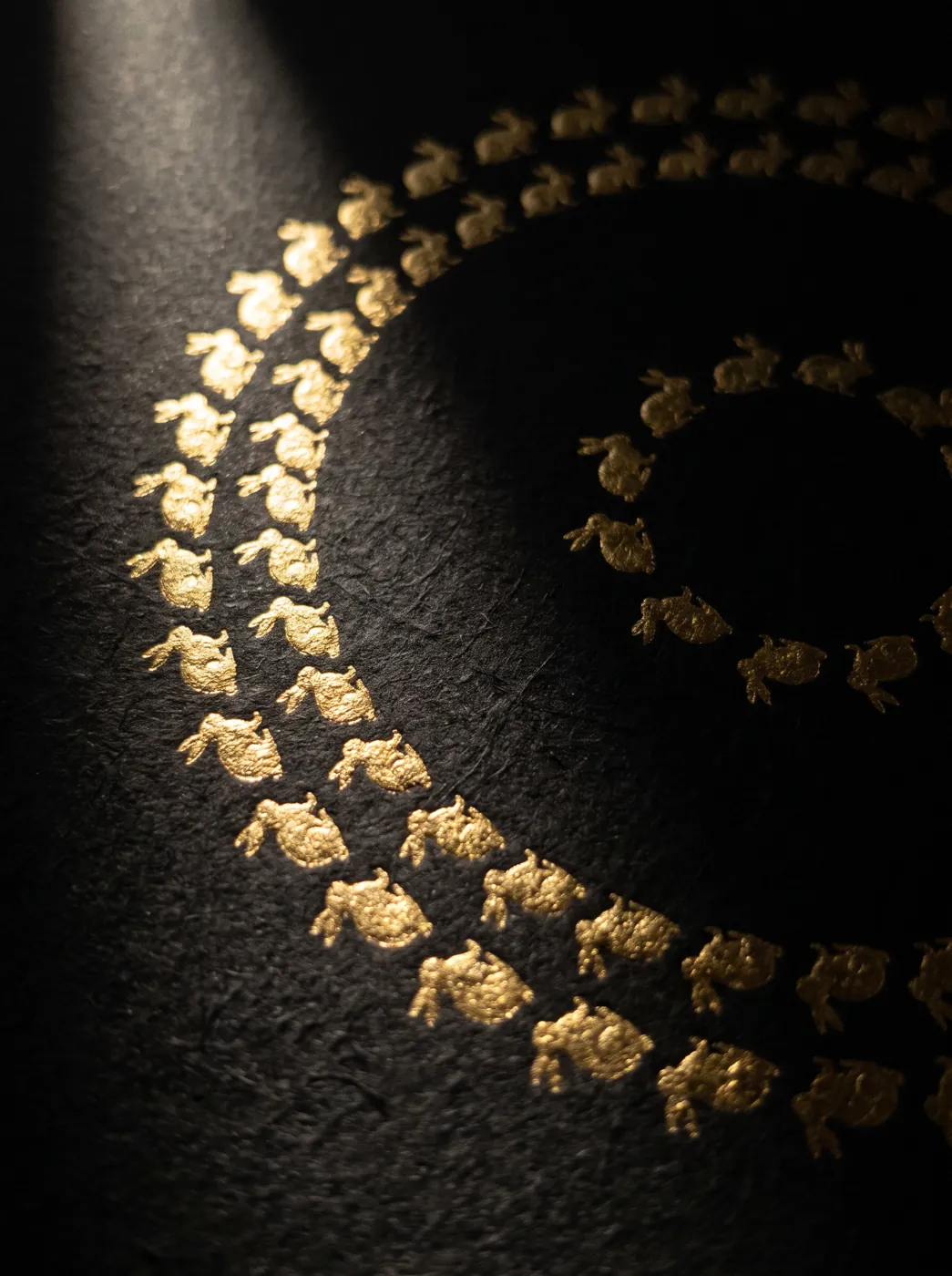
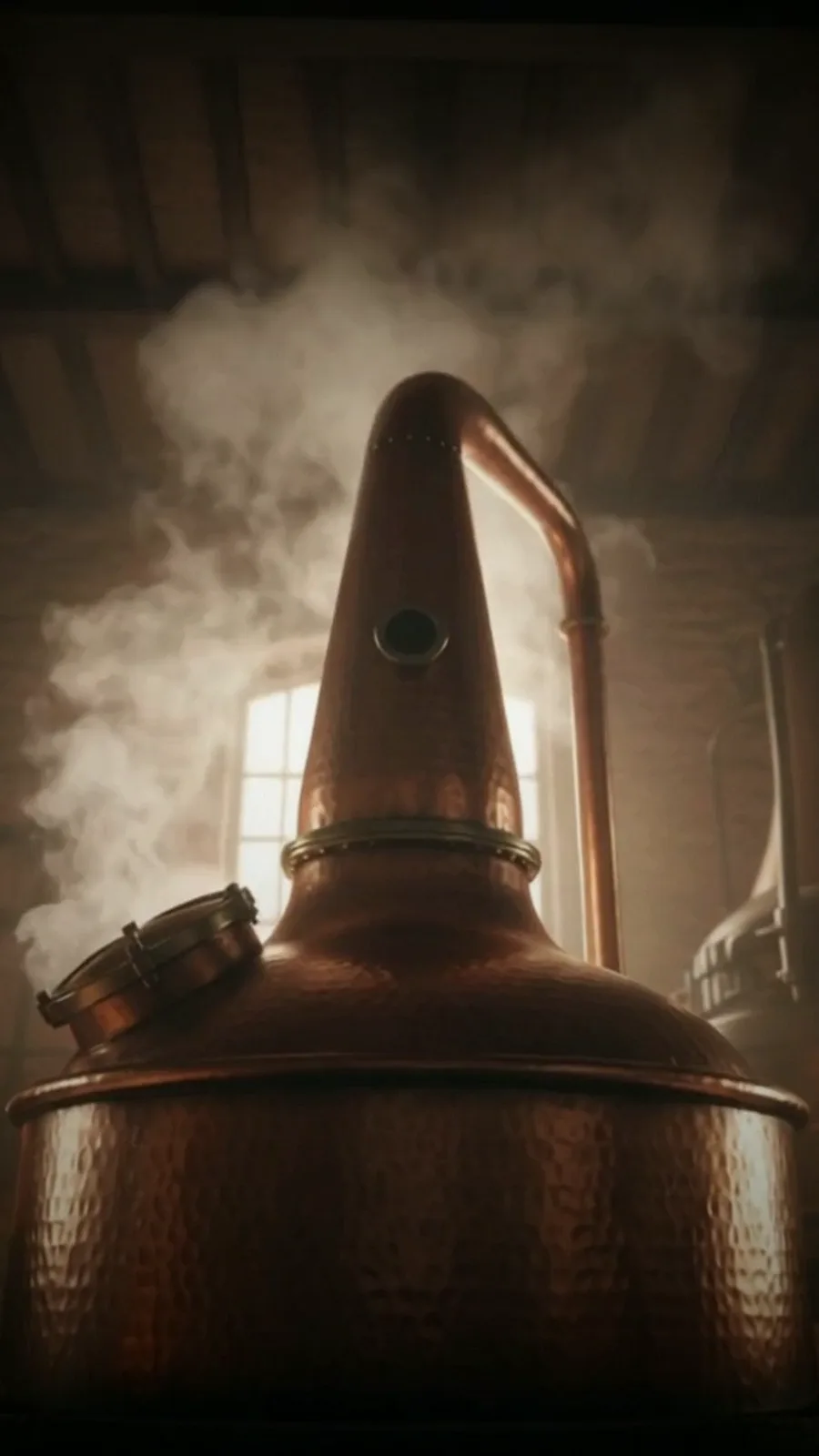
Inside the distillery
Questions
The launch date has not been announced yet. Those on the waiting list receive it first, together with the full sheet of each bottle.
Tequila Blanco and Tequila Reposado, both 100% agave from the Barranca de Amatitán, and Mezcal Espadín from Oaxaca, all three 750 ml at 40% ABV. The Extra Añejo is coming soon: more than three years in 200-litre oak barrels.
In the Barranca de Amatitán, Jalisco, at the distillery of Tequilera de la Barranca de Amatitán (NOM 1473), working the craft since 2000.
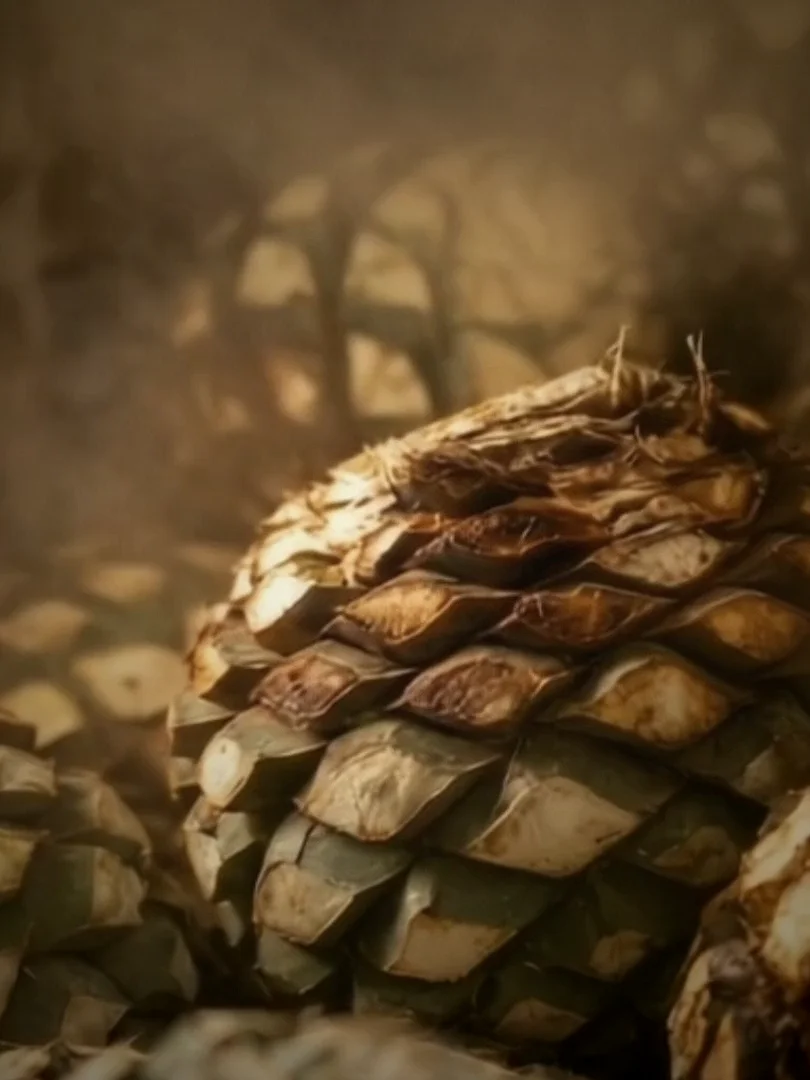
It is how the agave is harvested: the jimador shaves every leaf flush against the heart with the coa until it is round and clean. Only the heart of the plant goes into the oven, without the green leaf bases that leave bitter notes.
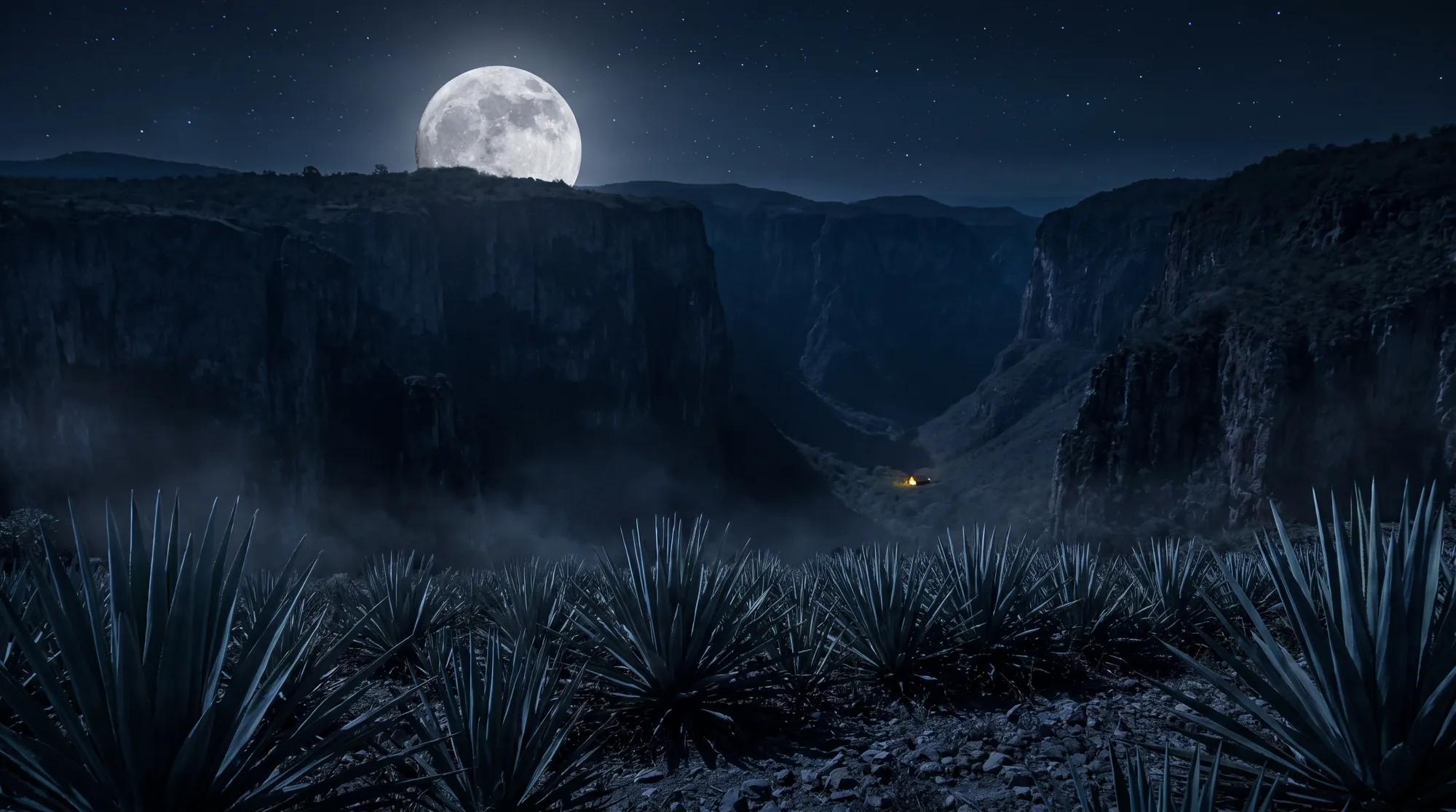
The yeasts that ferment the agave are not bought in: they live in the barranca, in the distillery's own microclimate. That is why this tequila's aroma belongs to that place and no other.
It is Mayahuel’s second house: Mezcal Espadín from Oaxaca, 100% agave, in a green glass bottle. The palenque and the master mezcalero will be announced soon.
The barranca is full of vegetation, and the bees, hummingbirds and bats that pollinate it carry wild yeasts from flower to flower. Because Mayahuel ferments in the open, in wooden vats, that ecosystem becomes part of the must and of its aroma.
Mayahuel is the Nahua goddess of the maguey, the plant tequila is born from. Carrying her name means making it without haste.
Before the first bottle
The cellar where the Reposado rests, and the three bottles of the house in the order they arrive.
Coming soon
Those who sign up will be the first to know the unveiling date, the full sheet of each bottle, where to find them and the day the Extra Añejo leaves the barrel. We send nothing else.
Unveiling to be announced
First house
This site is about alcoholic beverages and is for adults of legal drinking age only (18+ in Mexico, 21+ in the US).