Tequila
Blanco
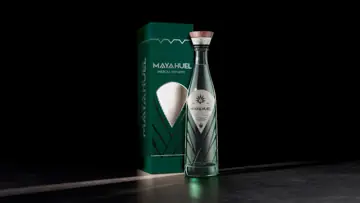
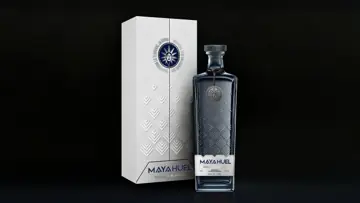
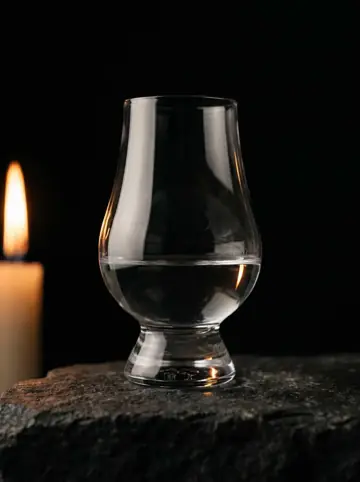
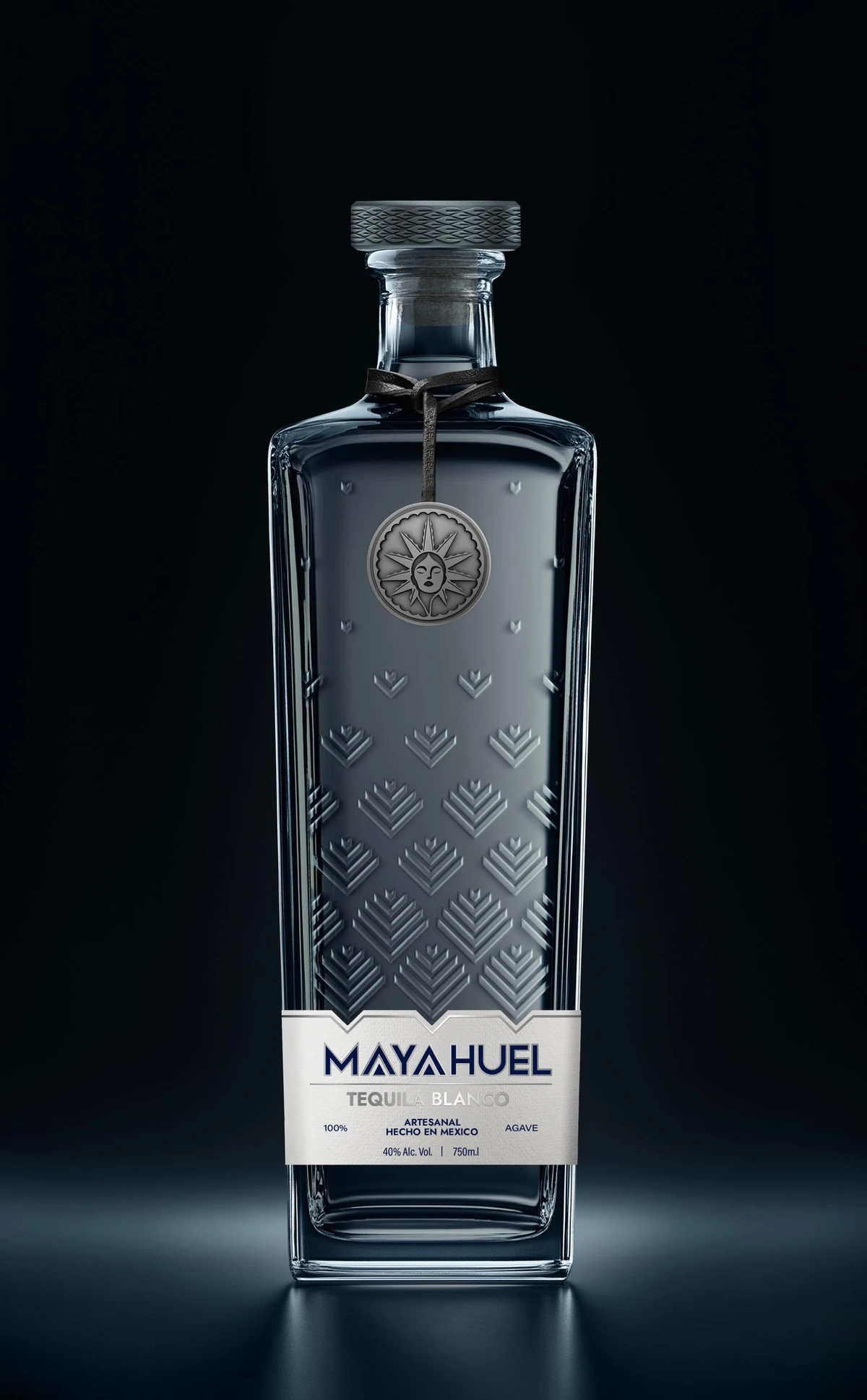
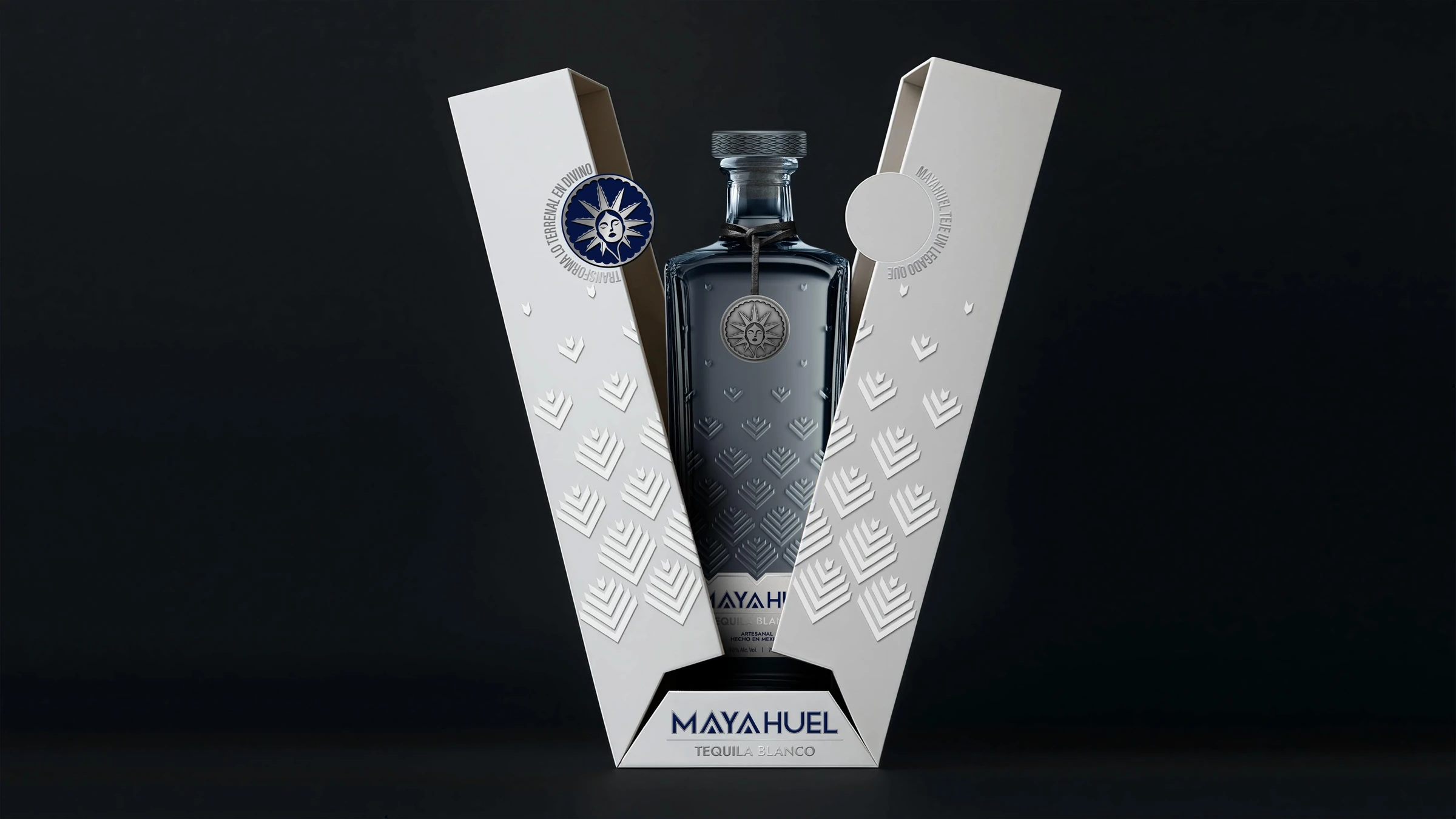
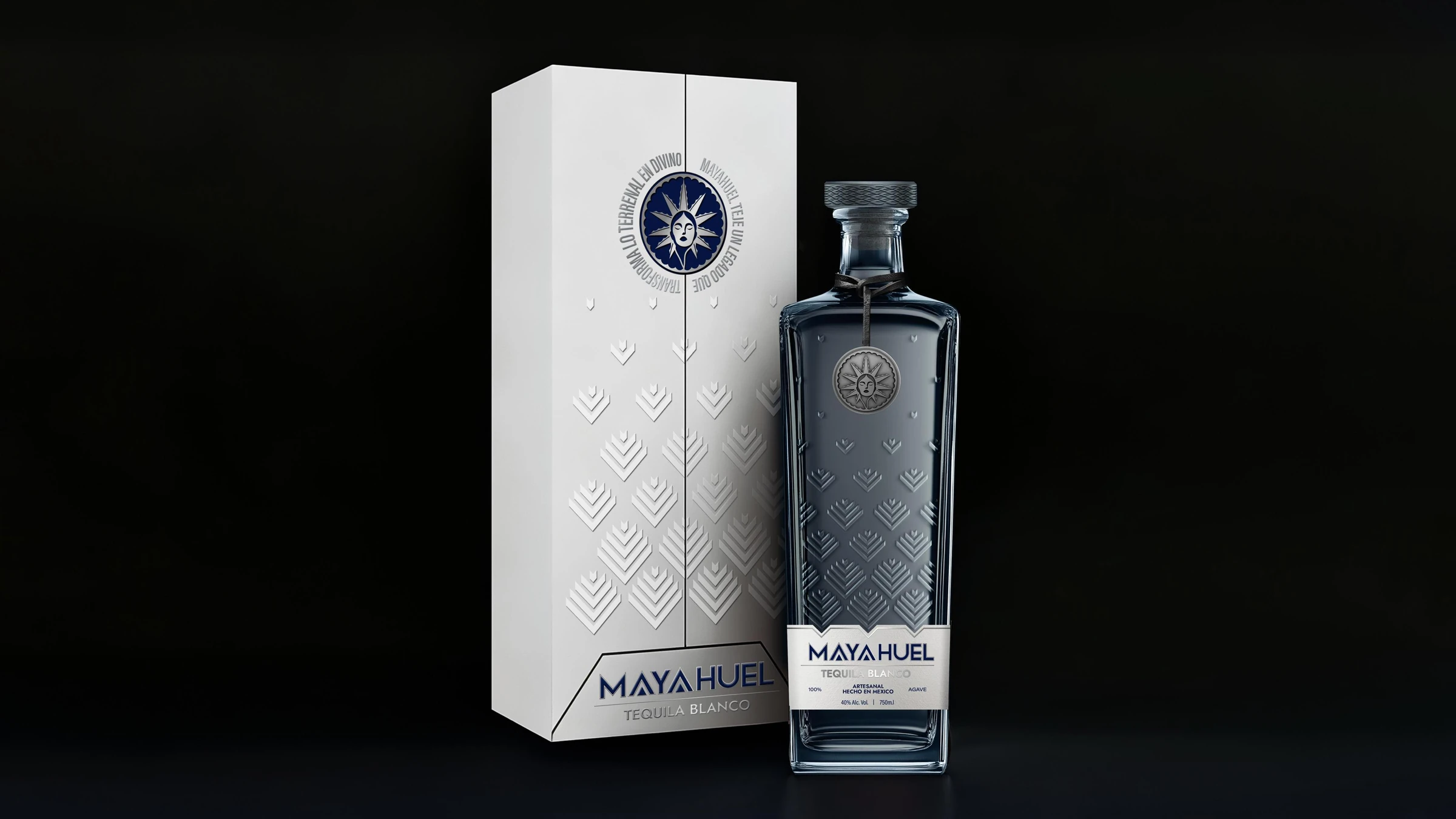
The voice of the agave. The barranca’s most direct expression: what the field, the masonry oven, the tahona and open fermentation leave behind. Silver and night blue on the emblem.
Blanco class100% agave40% Alc. Vol.750 ml
House I · 100% agave tequila
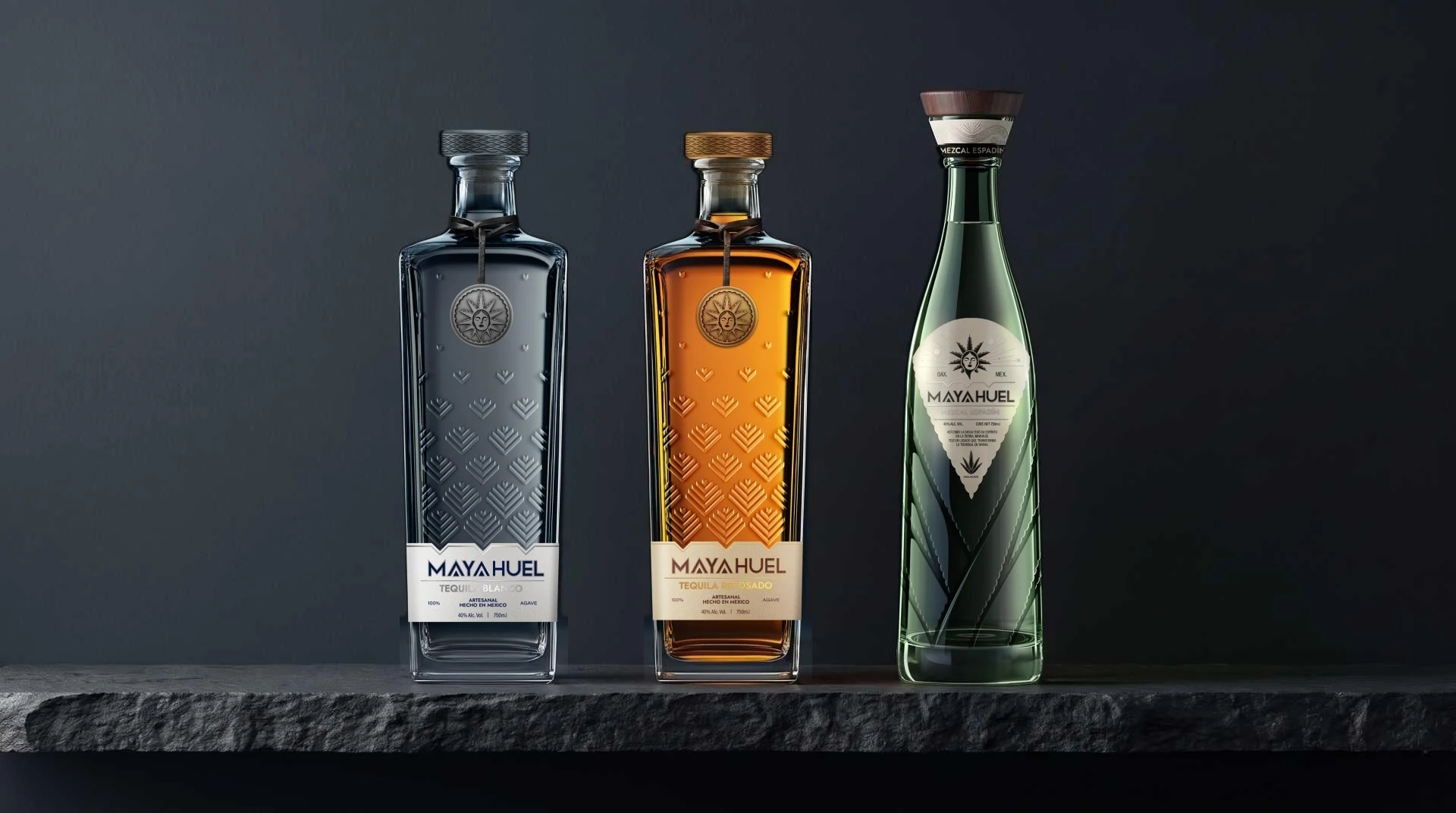
The patience of a maguey, in three tempos.
100% agave tequila · NOM 1473The bottles
The same extremely mature agave, harvested flush in the Barranca de Amatitán. What changes is how much time the oak grants it.
Tequila
The voice of the agave. The barranca’s most direct expression: what the field, the masonry oven, the tahona and open fermentation leave behind. Silver and night blue on the emblem.
Tequila
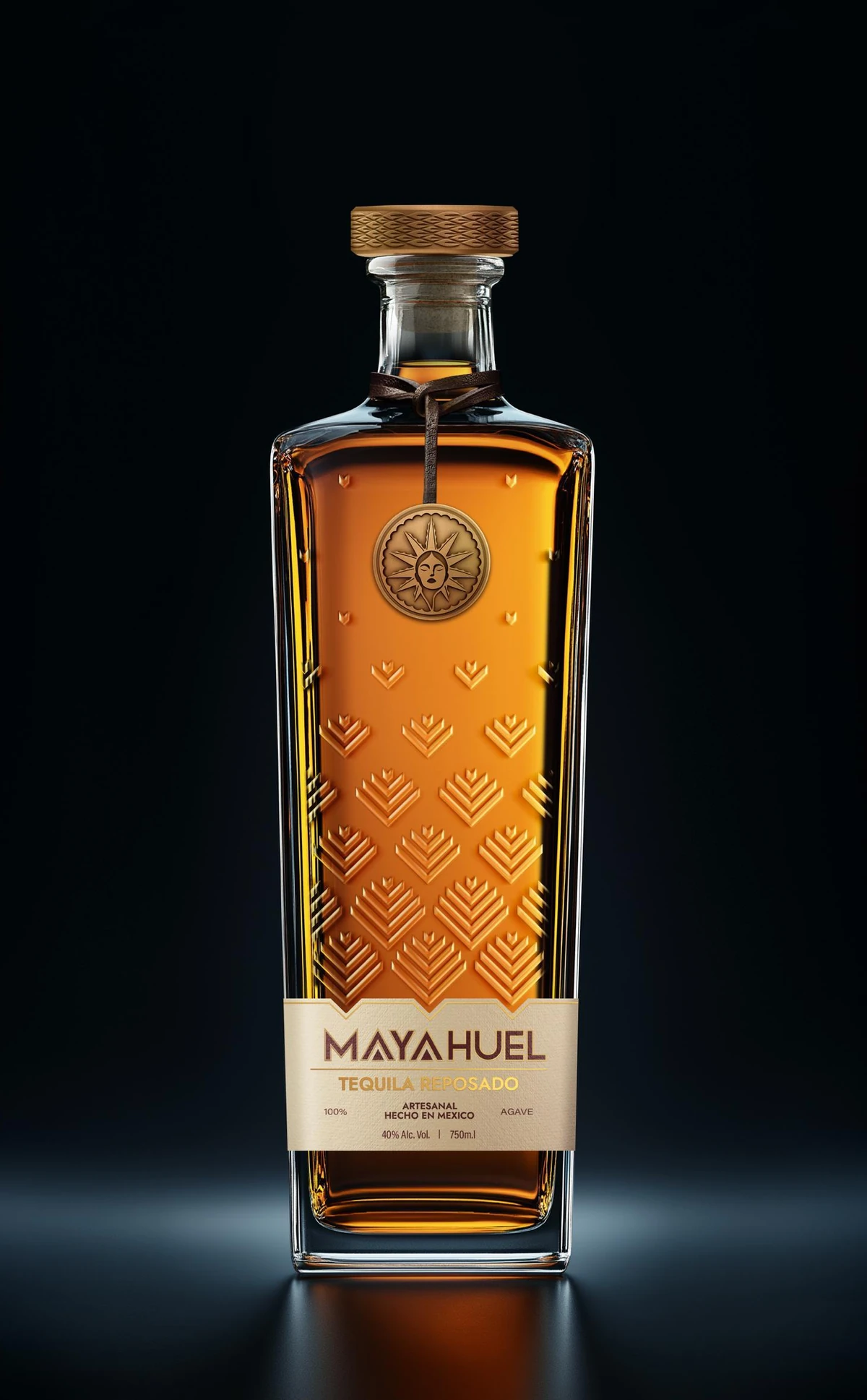
The agave that learned from oak. The same agave, after resting in 200-litre oak barrels; the exact time will be revealed with the first batch. Burgundy and gold on the emblem.
Tequila · Coming soon
Mayahuel’s third tempo has no bottle to show yet. It rests for more than three years in 200-litre oak barrels, in the half-light of the cellar, and will leave when the barrel decides. Those on the waiting list will know first.
Tequila Reposado
Tequila Blanco
Blanco · Reposado · Espadín
A short line. A sacred name.
Six movements
From agave that takes up to twelve years to ripen to the oak where the Reposado and the Extra Añejo rest, every step of Mayahuel happens in the Barranca de Amatitán, at its own pace.
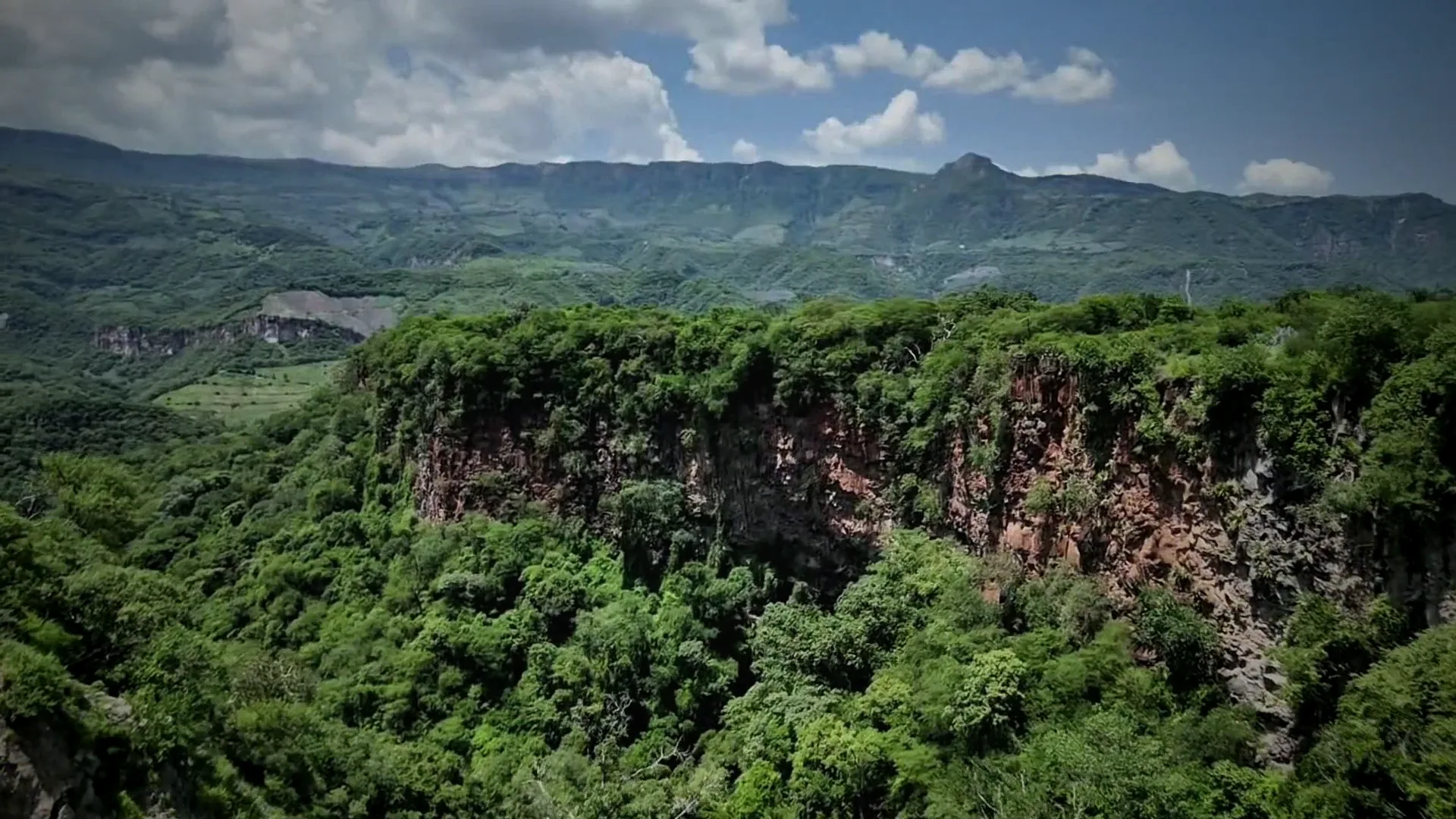
A single flight
This is how you reach Mayahuel: over the cliffs of Amatitán, above the stream and the vegetation around it, to the stone house and the half-light of the cellar.
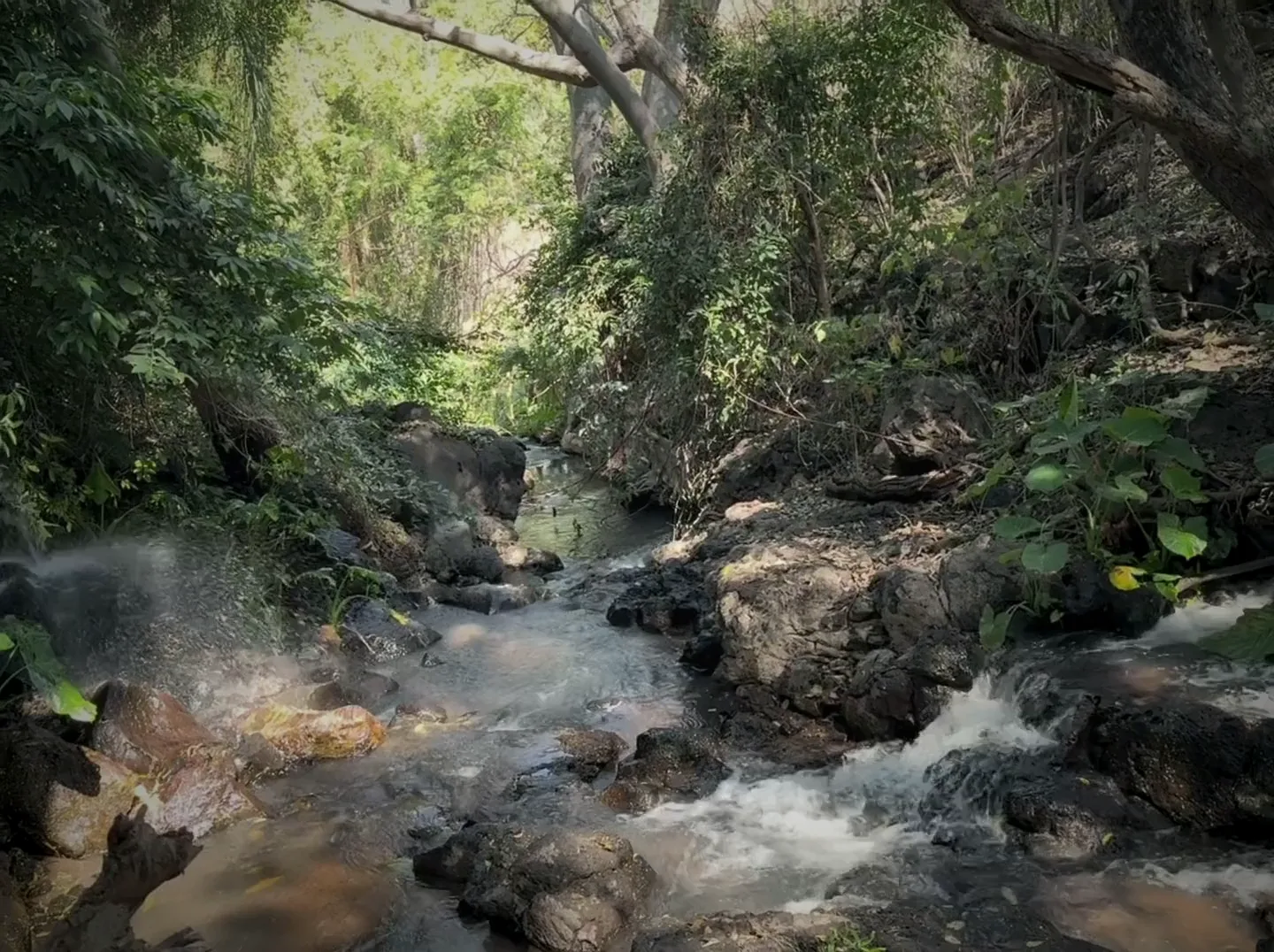
The origin
The Santiago river carved the barranca of Amatitán long before there were maps.
Its slopes are volcanic: clay, basalt and iron. Its own springs give the water that feeds the agave and goes into the tequila. There, in the Tequila valley, the house has worked since 2000.
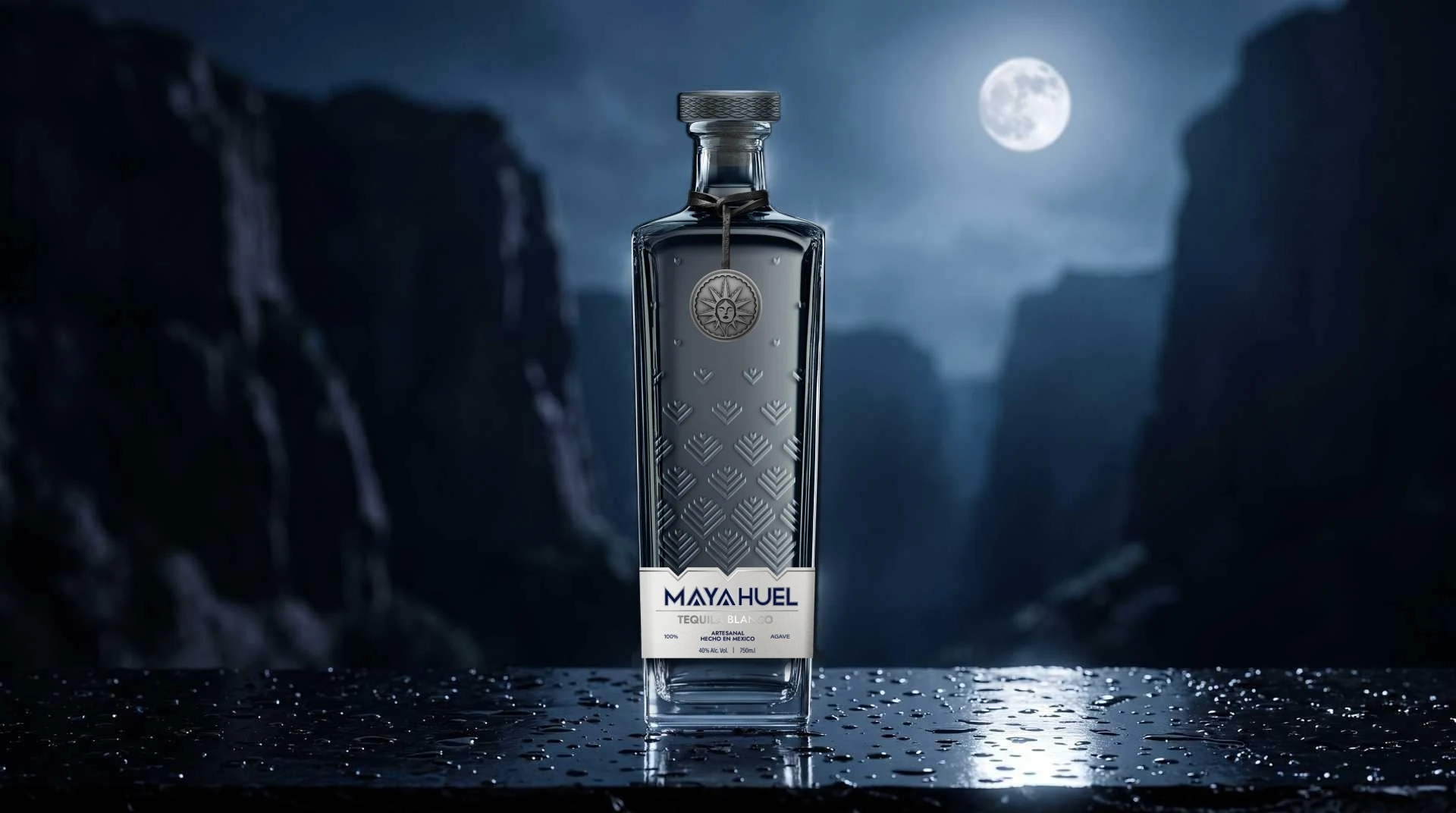
Tequila Blanco
Moon over the barranca. The voice of the agave, unveiled.
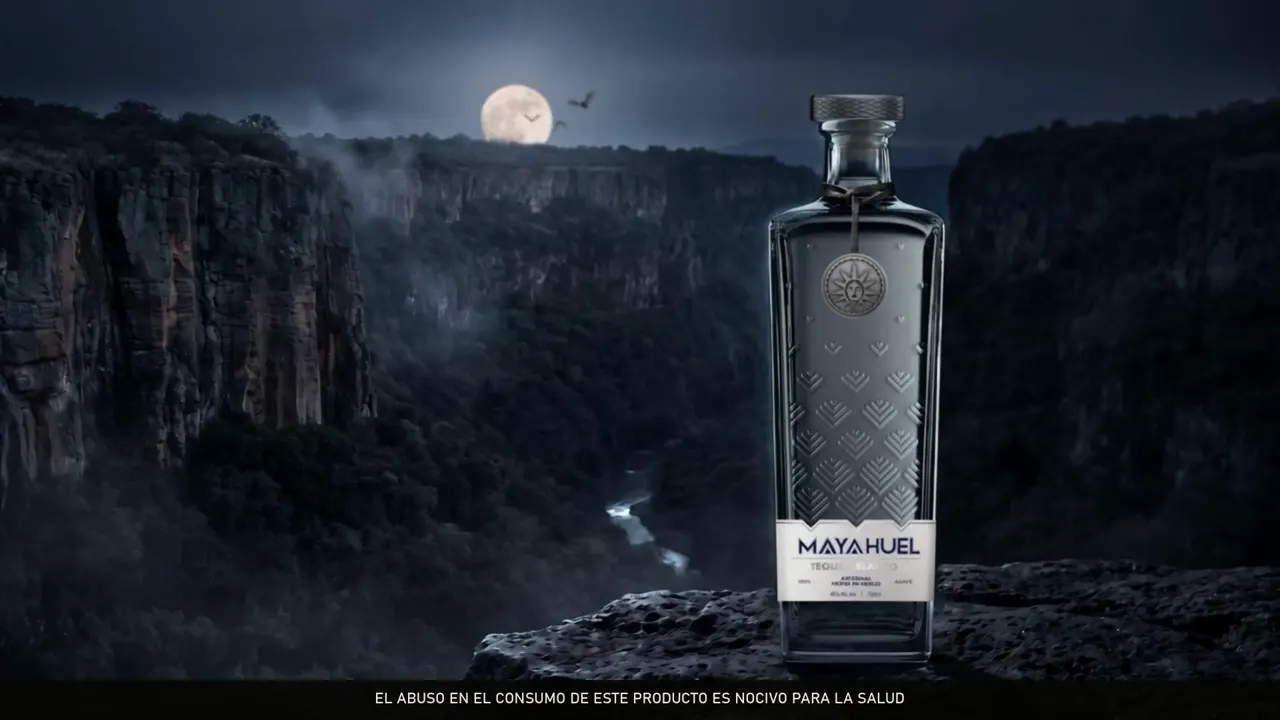
Tequila Blanco · The film
The field at dawn, the edge of the barranca under the moon and the obsidian of volcanic earth.
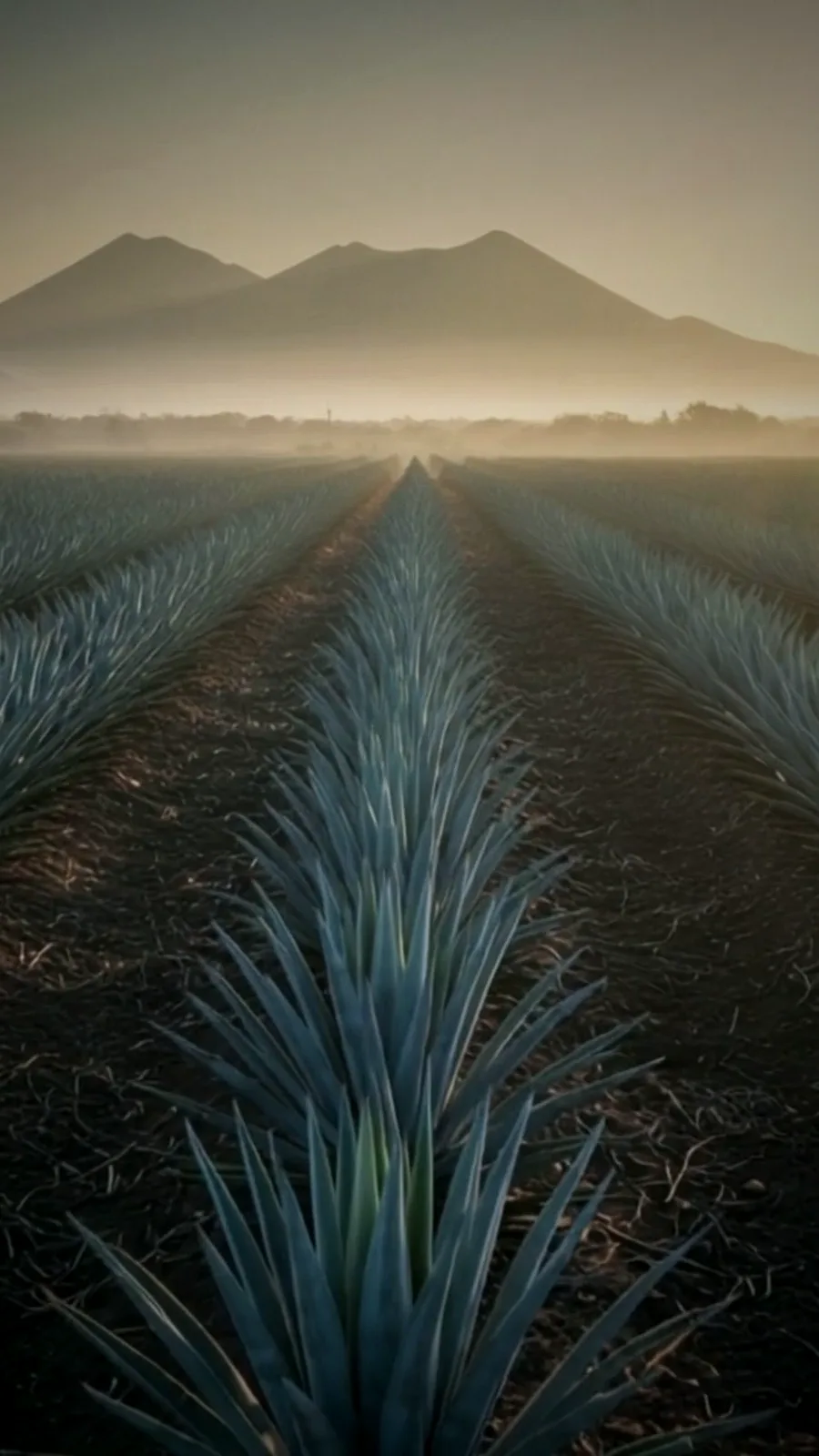
The agave
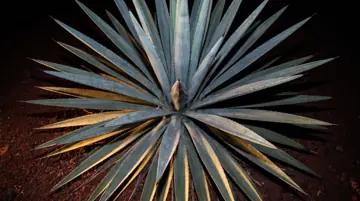
Only blue agave that waited seven to twelve years in the field.
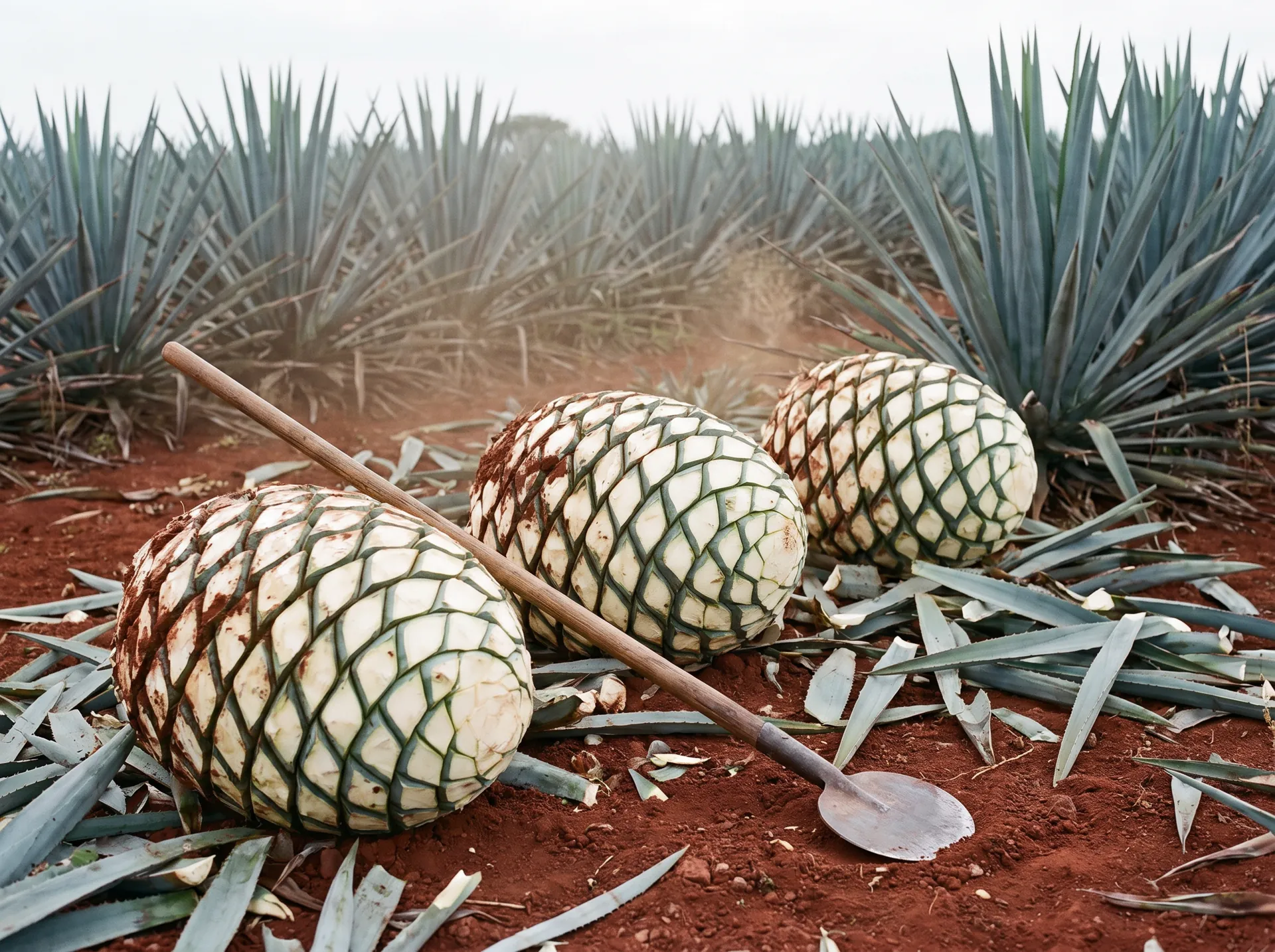
At harvest, the jimador shaves every leaf flush against the heart with the coa until it is round and clean — the "corte bola". Only the heart goes into the oven, without the green leaf bases that leave bitter notes.
The cooking
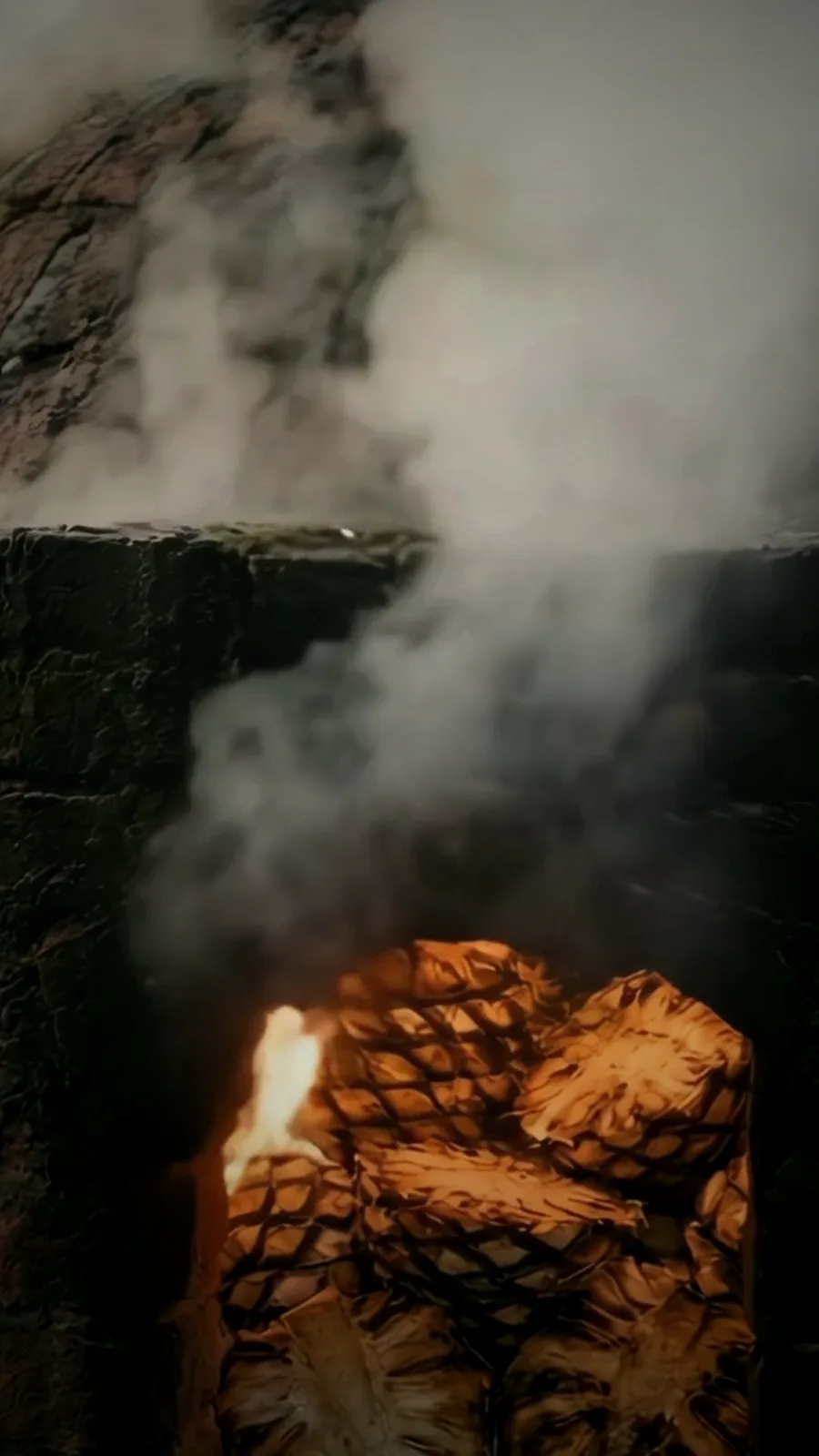
Twenty-four hours of steam in masonry ovens.
The hearts emerge transformed: complex sugars, a toasted colour and the tequila's first character. A basalt tahona then crushes them at the pace the master decides.
The fermentation
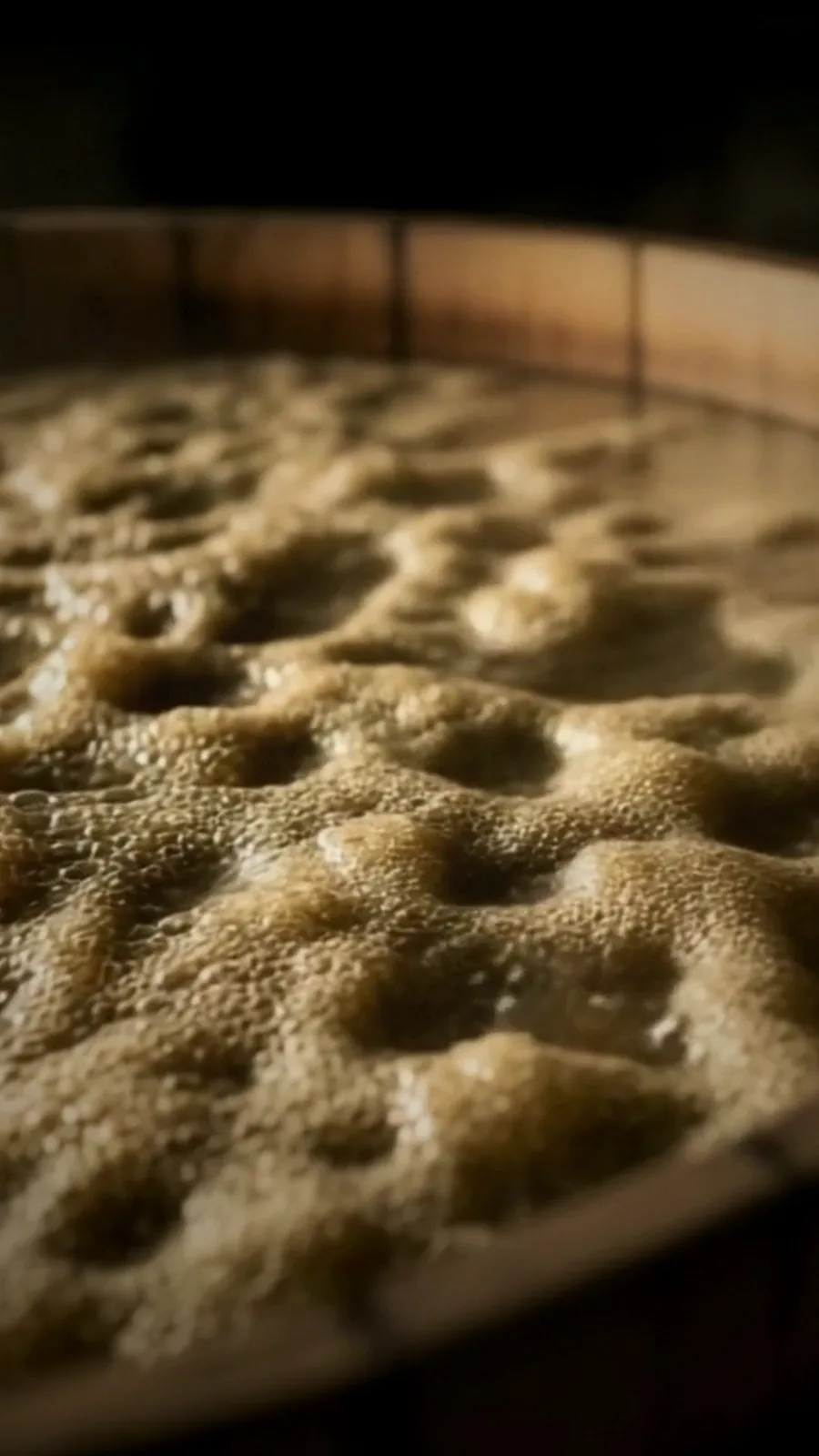
The yeasts are not bought: they are born in the barranca.
The must ferments in the open air, in wooden vats, with yeasts native to the distillery’s microclimate. The barranca is thick with vegetation, and bees, hummingbirds and bats move from flower to flower carrying wild yeasts with them. With open fermentation, that life reaches the vats, which is why Mayahuel’s aroma cannot be repeated anywhere else.
The distillation
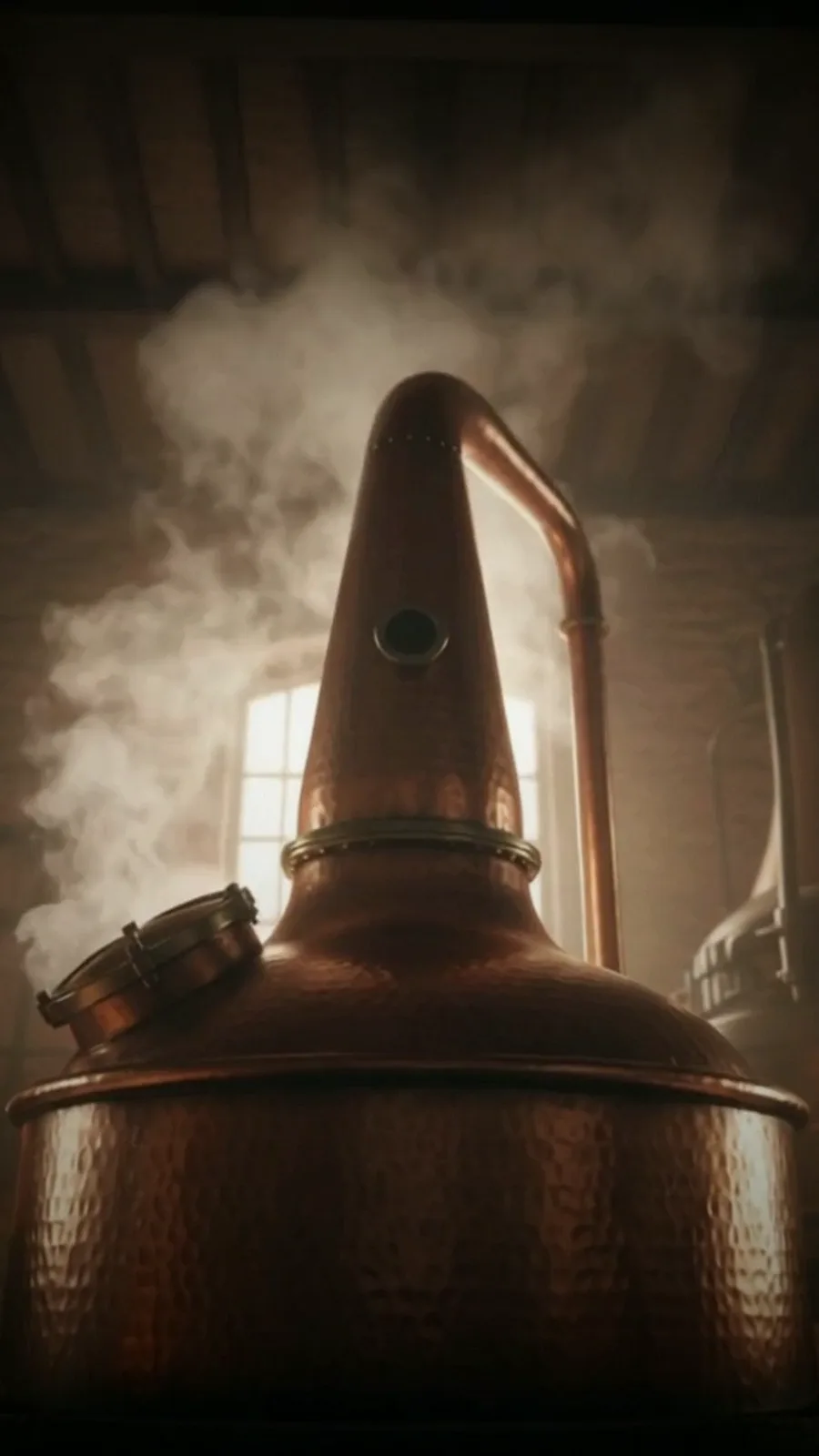
Double distillation, each metal at its stage.
The house works copper and steel at different stages to find the exact point between power and finesse. What leaves the still is already tequila; what follows is time.
The rest
Here the Reposado rests. Here the Extra Añejo waits.
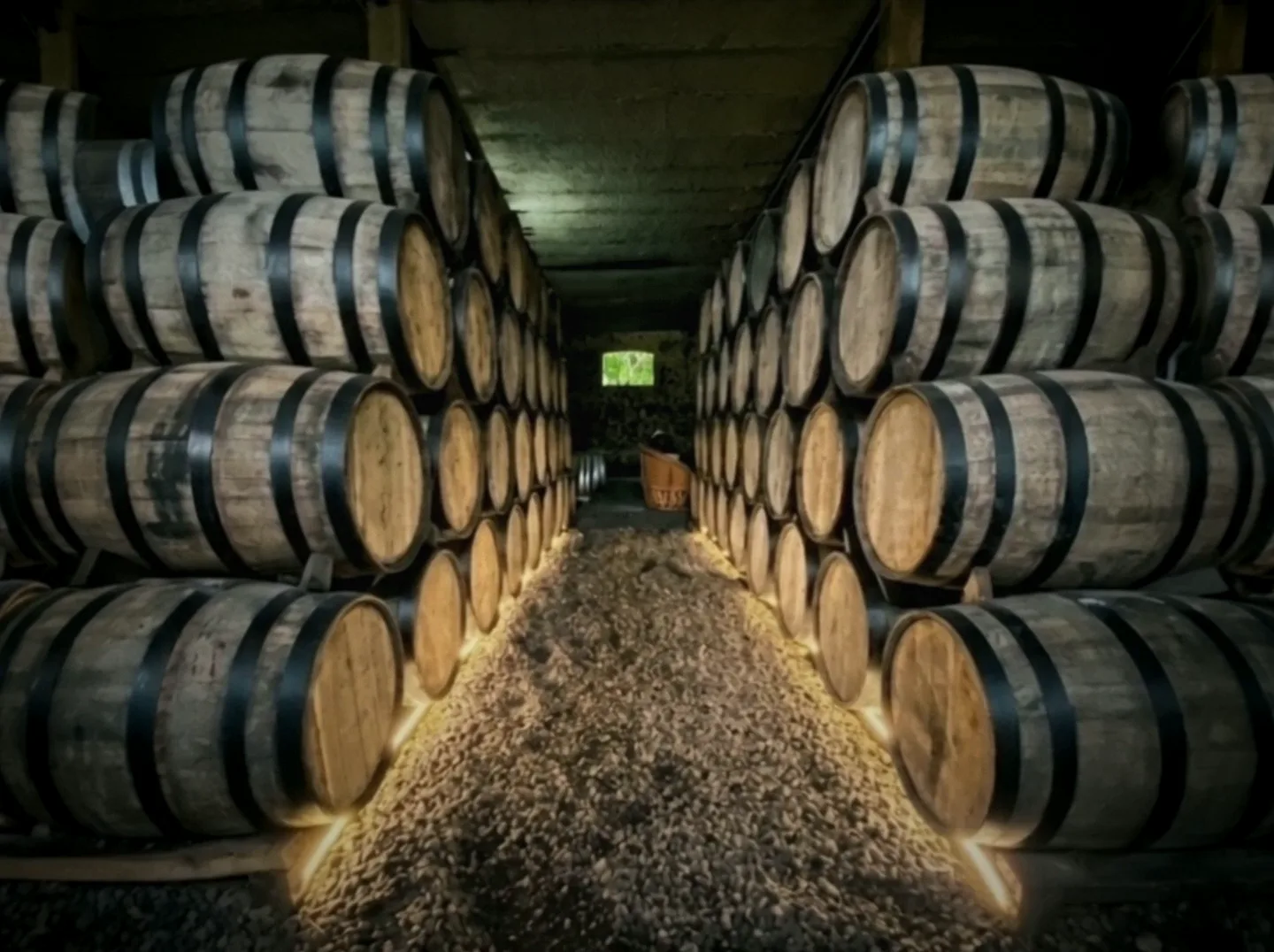
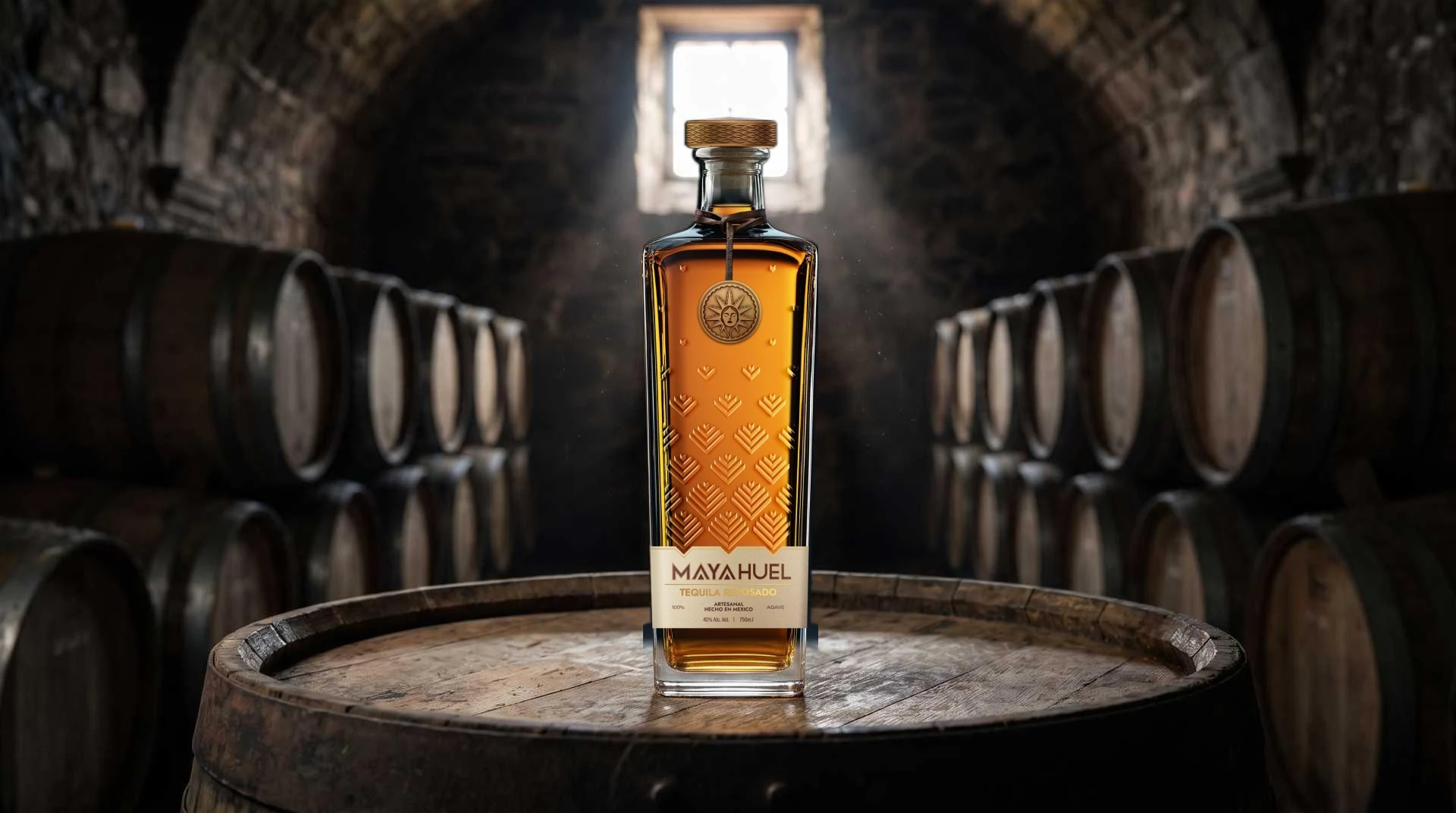
In the half-light of the cellar the spirit gains colour, rounds out and learns to be still. The Reposado’s exact time will be revealed with the first batch; the Extra Añejo will spend more than three years in these same 200-litre oak barrels.
The cellar
Two hundred litres of oak and all the time in the world.
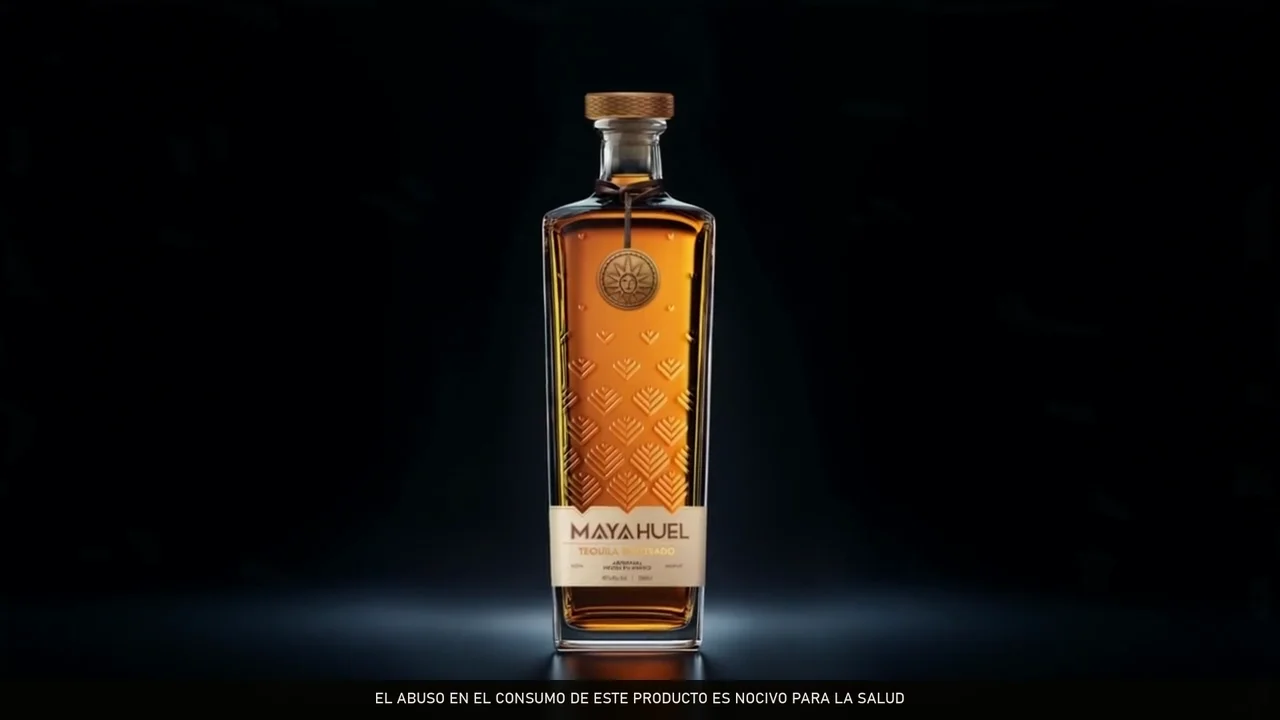
Tequila Reposado · The film
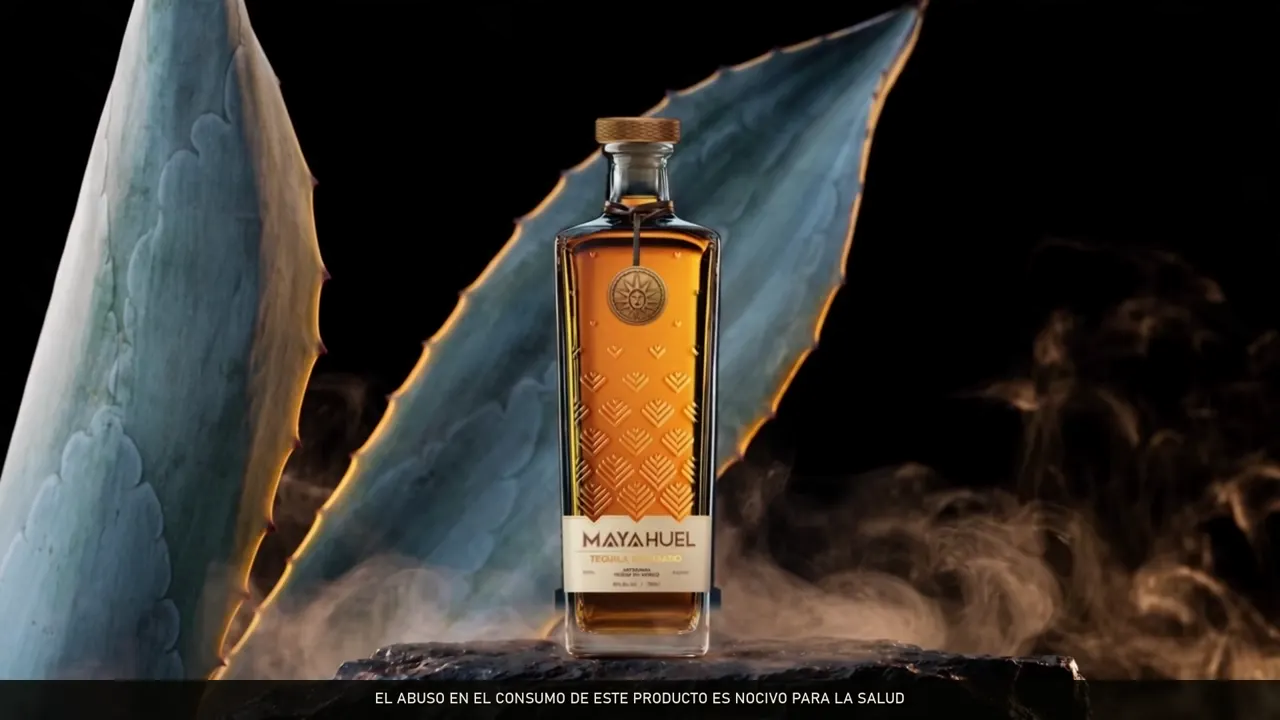
The goddess’s children, the blue leaf and the oak where the Reposado takes its colour.
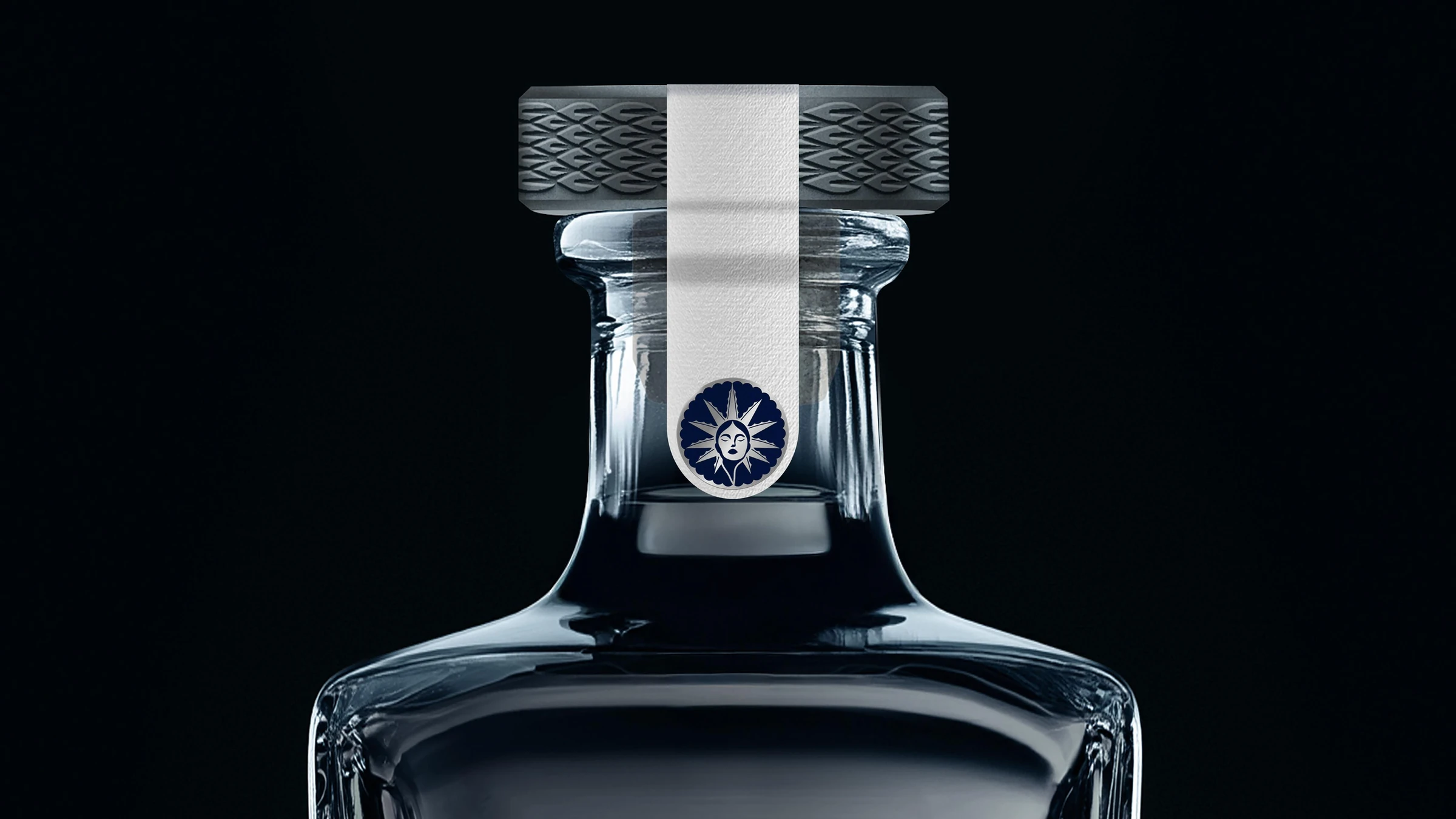
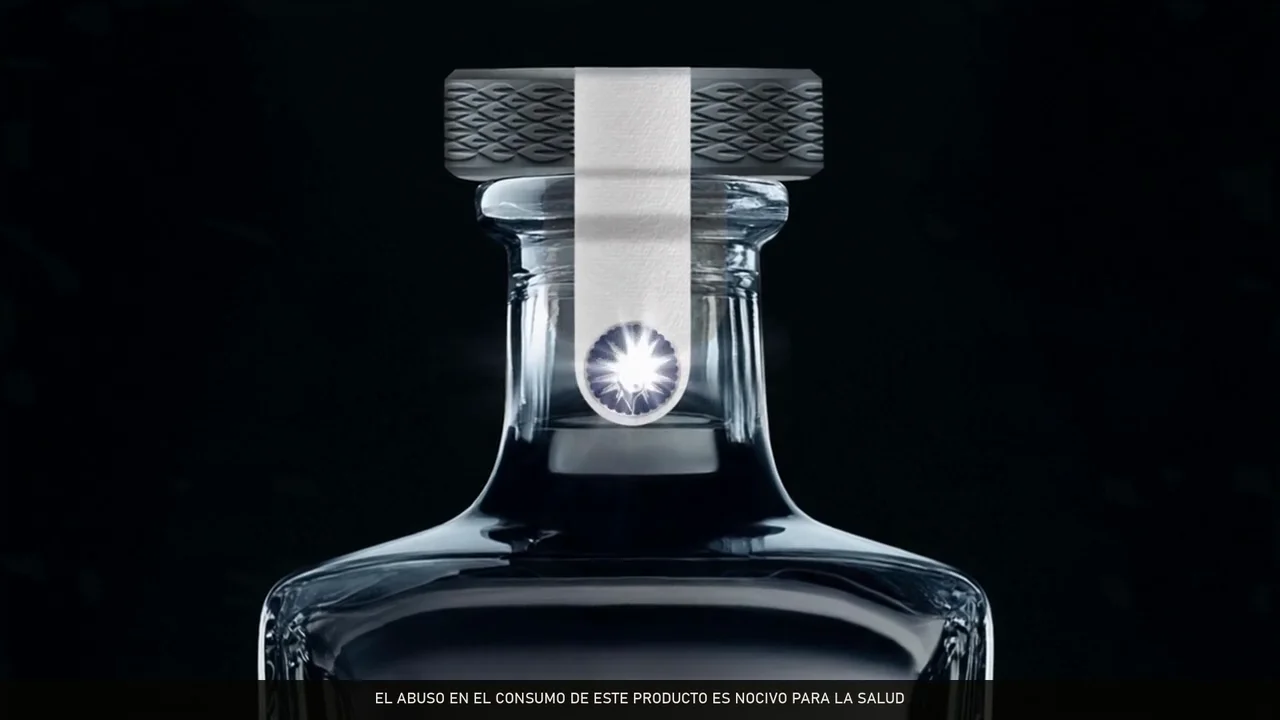
The bottle, up close
The case
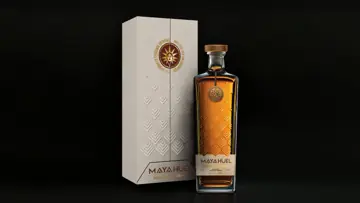
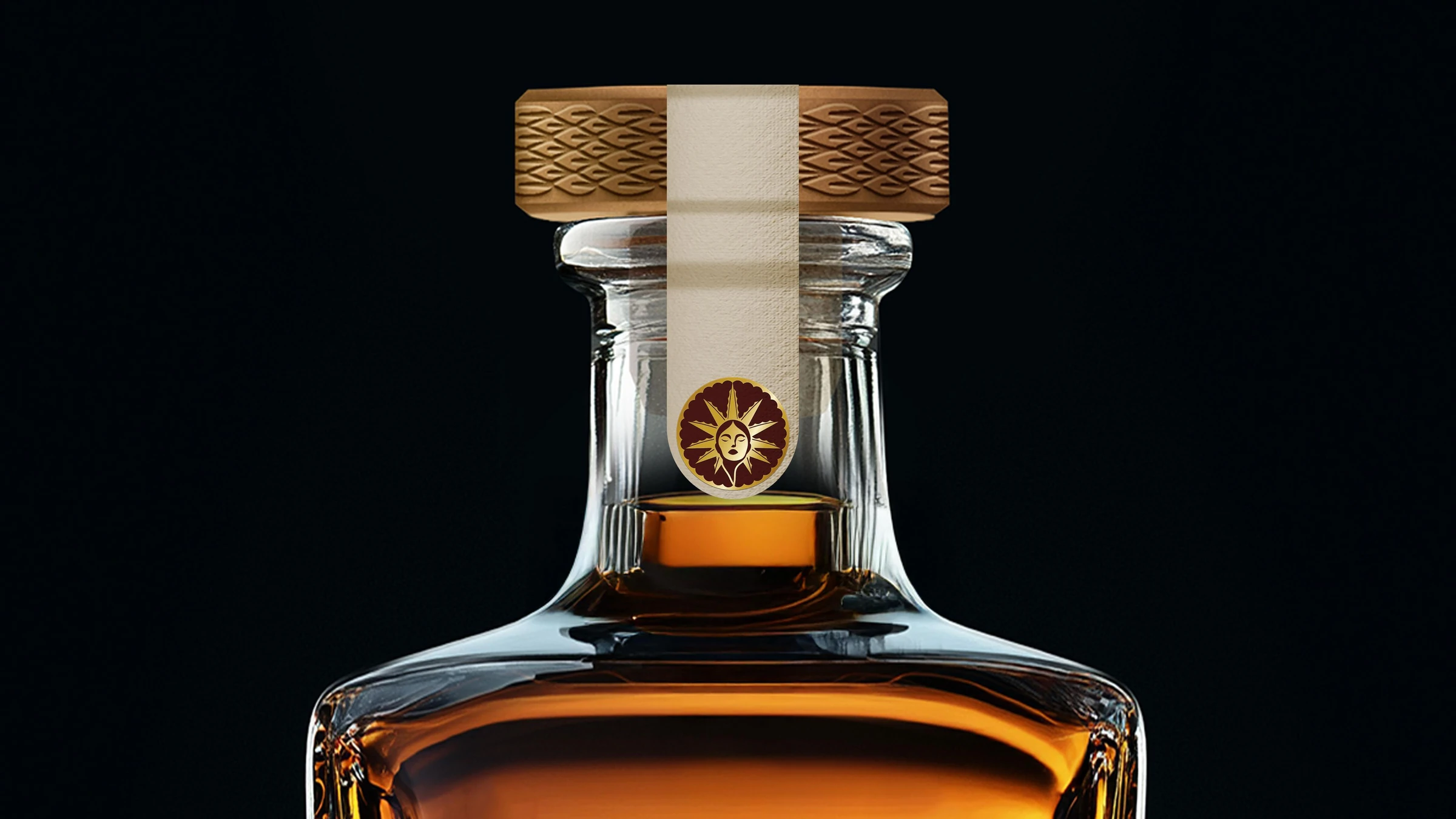
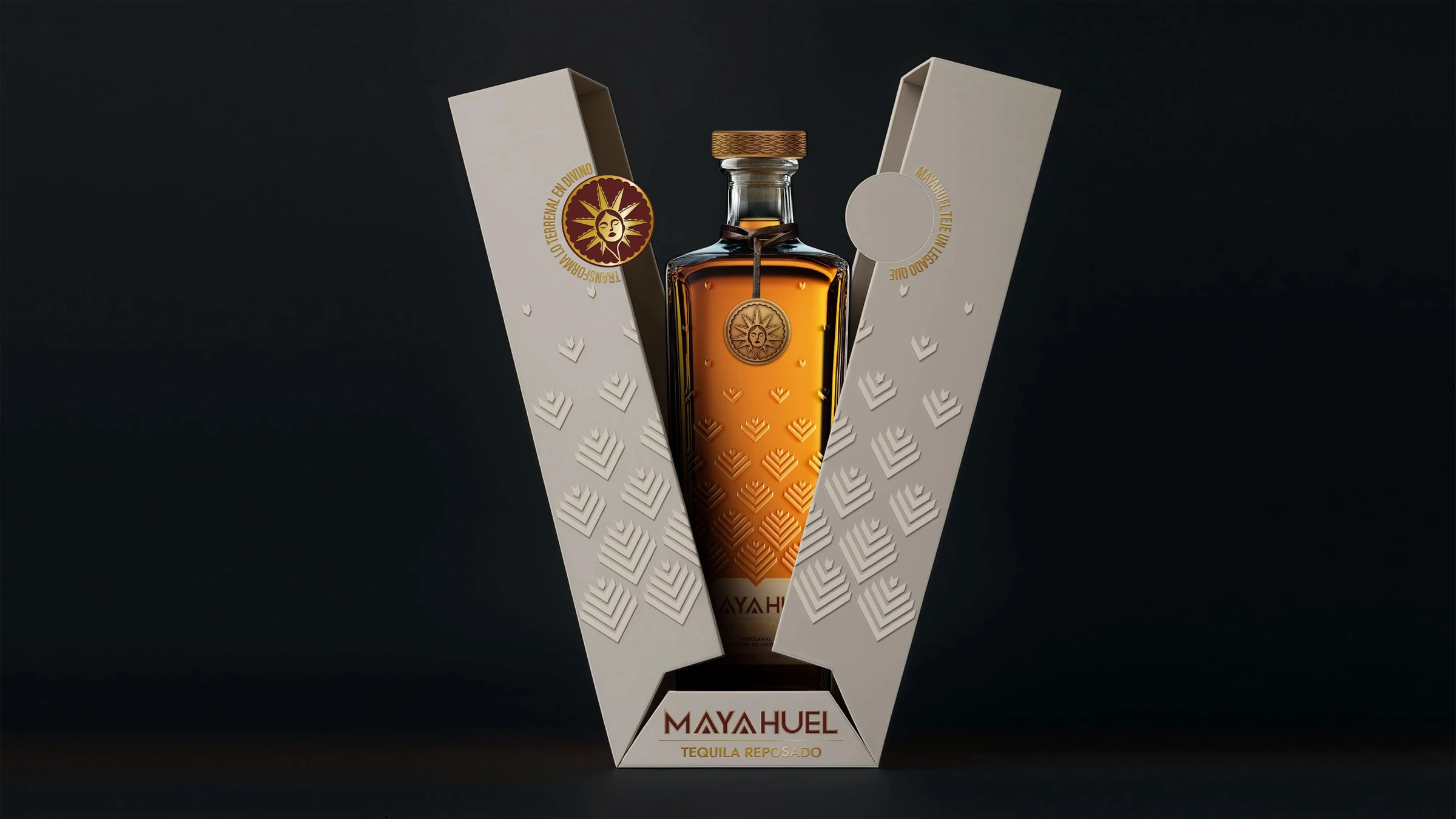
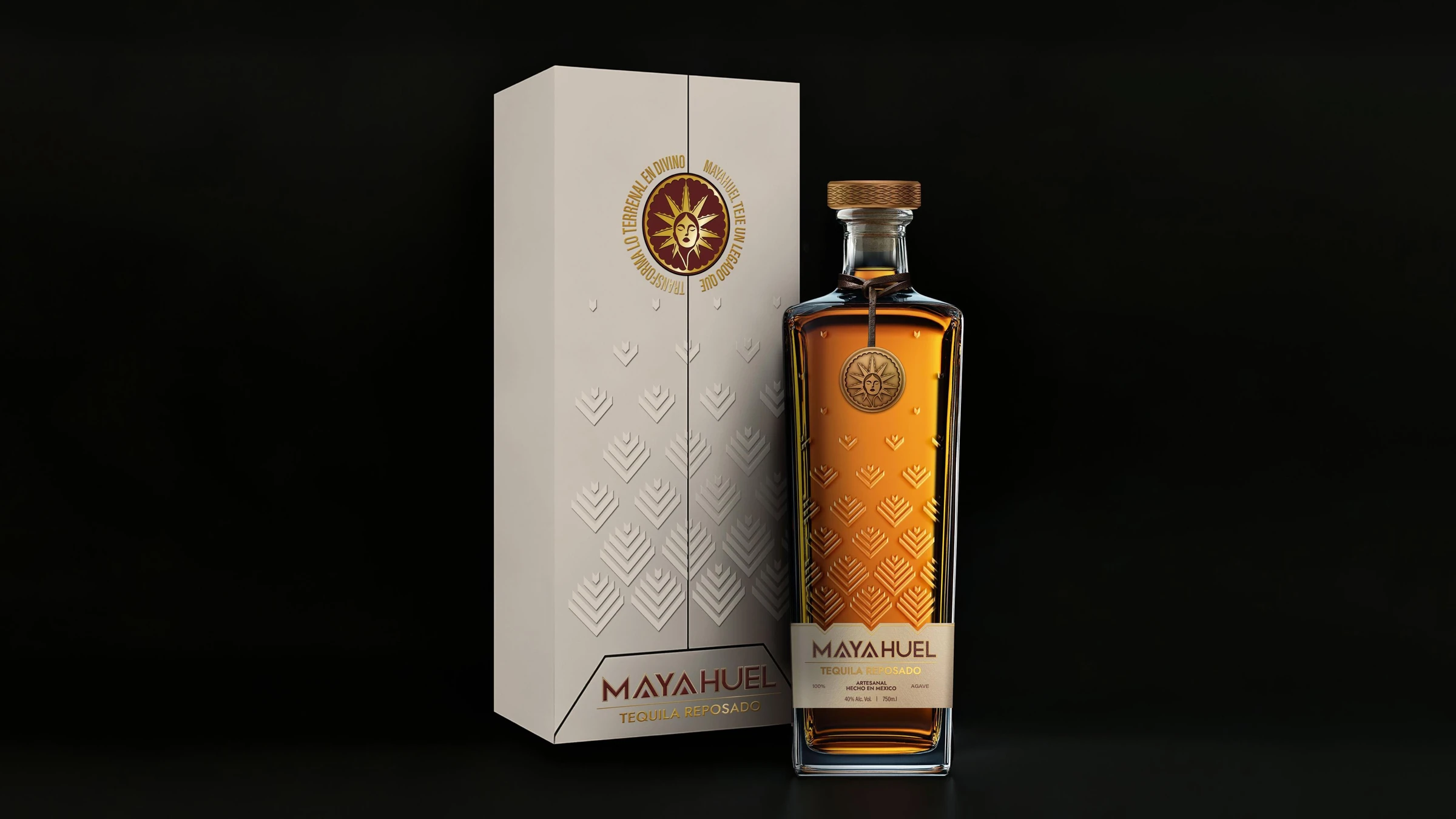
The case parts in a V and leaves the bottle at its centre. The house’s phrase runs around the emblem: “Mayahuel weaves a legacy that turns the earthly into the divine”.
Origin sheet
Facts from the producing house. What the first batch still keeps to itself will be revealed at the unveiling.
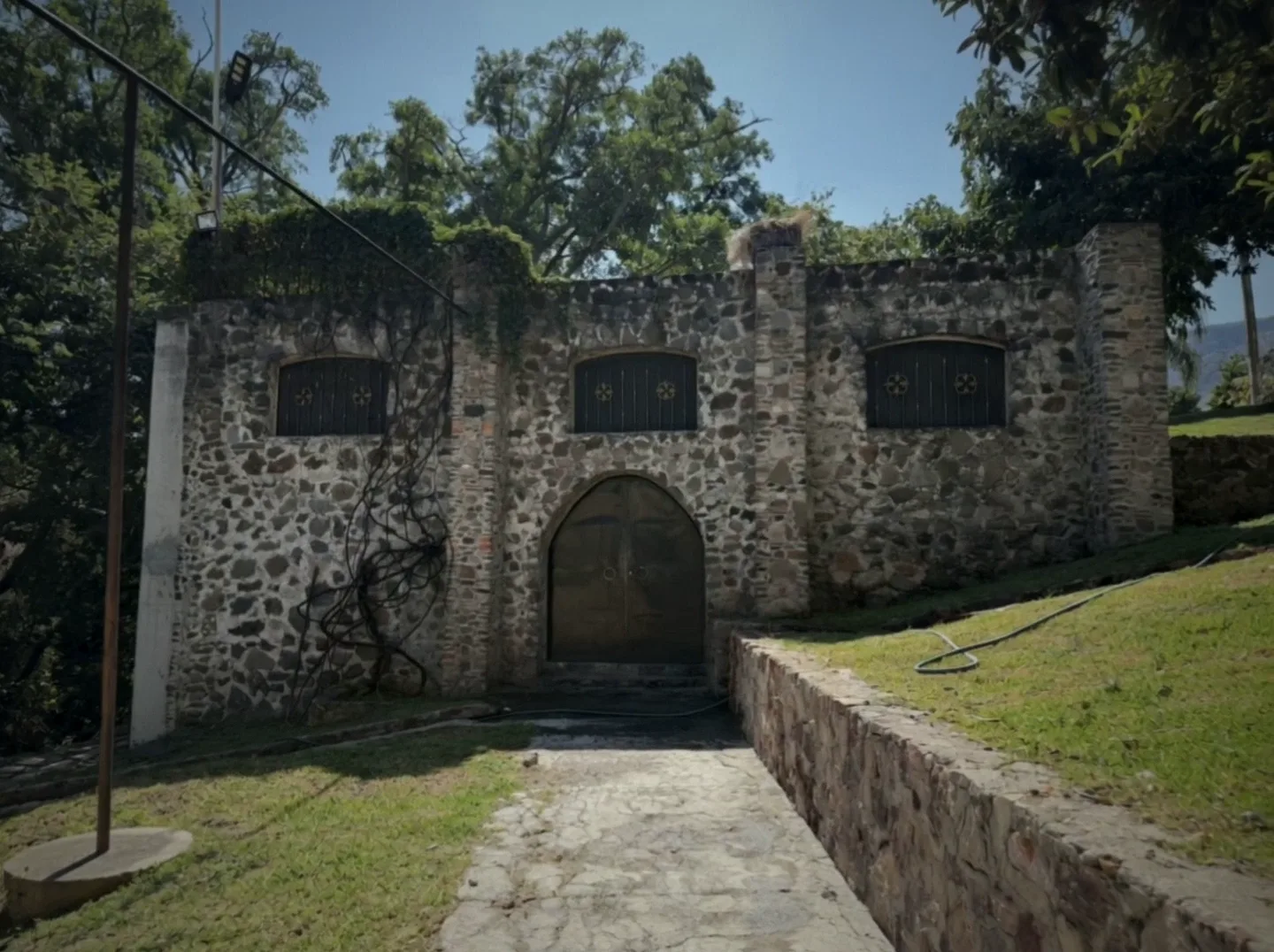
The house
A stone house in the barranca that has worked tequila since 2000 with masonry ovens, a tahona, wooden vats and copper stills. Mayahuel is born here.
To understand it
Both are born of the same agave and the same process. The Reposado adds a rest in 200-litre oak barrels: the standard requires at least two months in oak for this class, and Mayahuel’s exact time will be revealed with the first batch. The Blanco is the agave’s most direct expression.
When the barrel decides. The standard requires at least three years in oak for this class; Mayahuel keeps it for more than three in 200-litre barrels. Those on the waiting list will know first.
The barranca is full of vegetation, and the bees, hummingbirds and bats that pollinate it carry wild yeasts from flower to flower. Because Mayahuel ferments in the open, in wooden vats, that ecosystem becomes part of the must and of its aroma.
It is the number under which the tequila standard identifies the distillery. Every bottle of tequila carries the number of its producer.
That every fermented sugar comes from blue agave. The standard also allows tequila made with sugars from other sources; Mayahuel is not one of them.
The stone presses the cooked agave more slowly and gently than a blade mill. It tears less fibre, and the must keeps more of the agave's character.
Second house
This site is about alcoholic beverages and is for adults of legal drinking age only (18+ in Mexico, 21+ in the US).